

Entrepreneurial Mindset & Skills with
Paradox of Theron
"Entrepreneurial mindset is a graduate attribute for all Sunway University students, not a specialisation for business students alone."
Prof. Chai Lay Ching
Pro Vice-Chancellor (Education, Employability and Alumni)
Sunway University
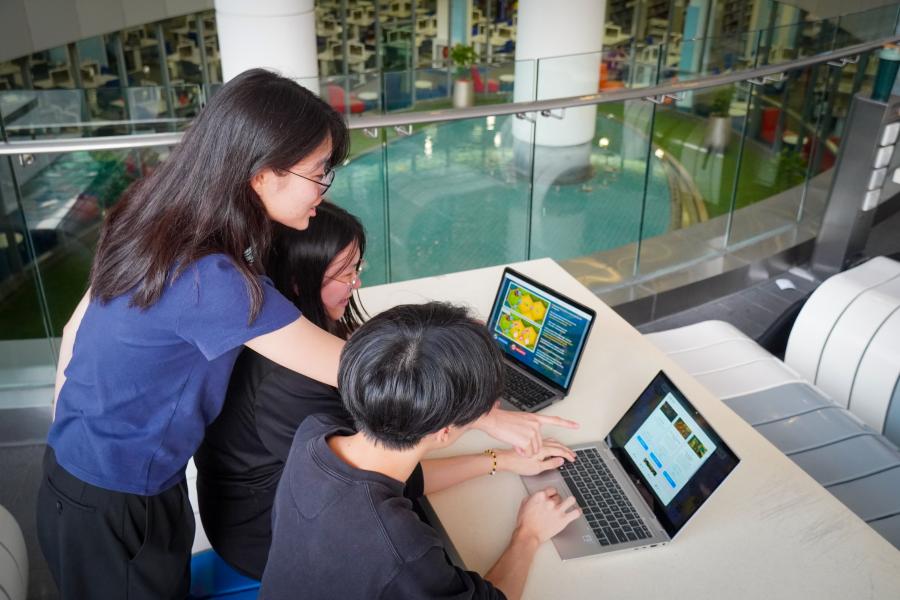
Where every Sunway student learns to think like an entrepreneur.
Entrepreneurial Mindset and Skills (EMS) is Sunway University's answer to a simple belief: that entrepreneurship is a way of thinking every graduate should carry into the world, whatever they studied.
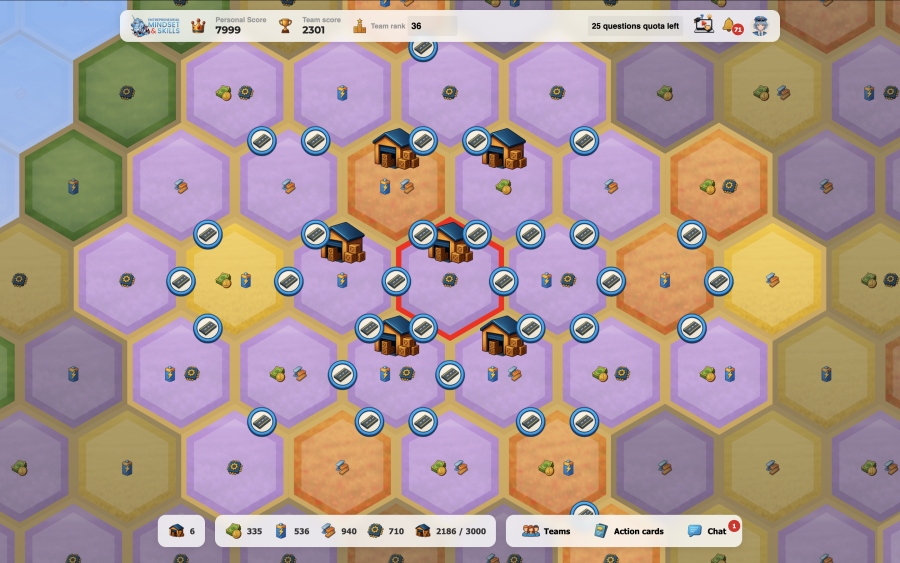
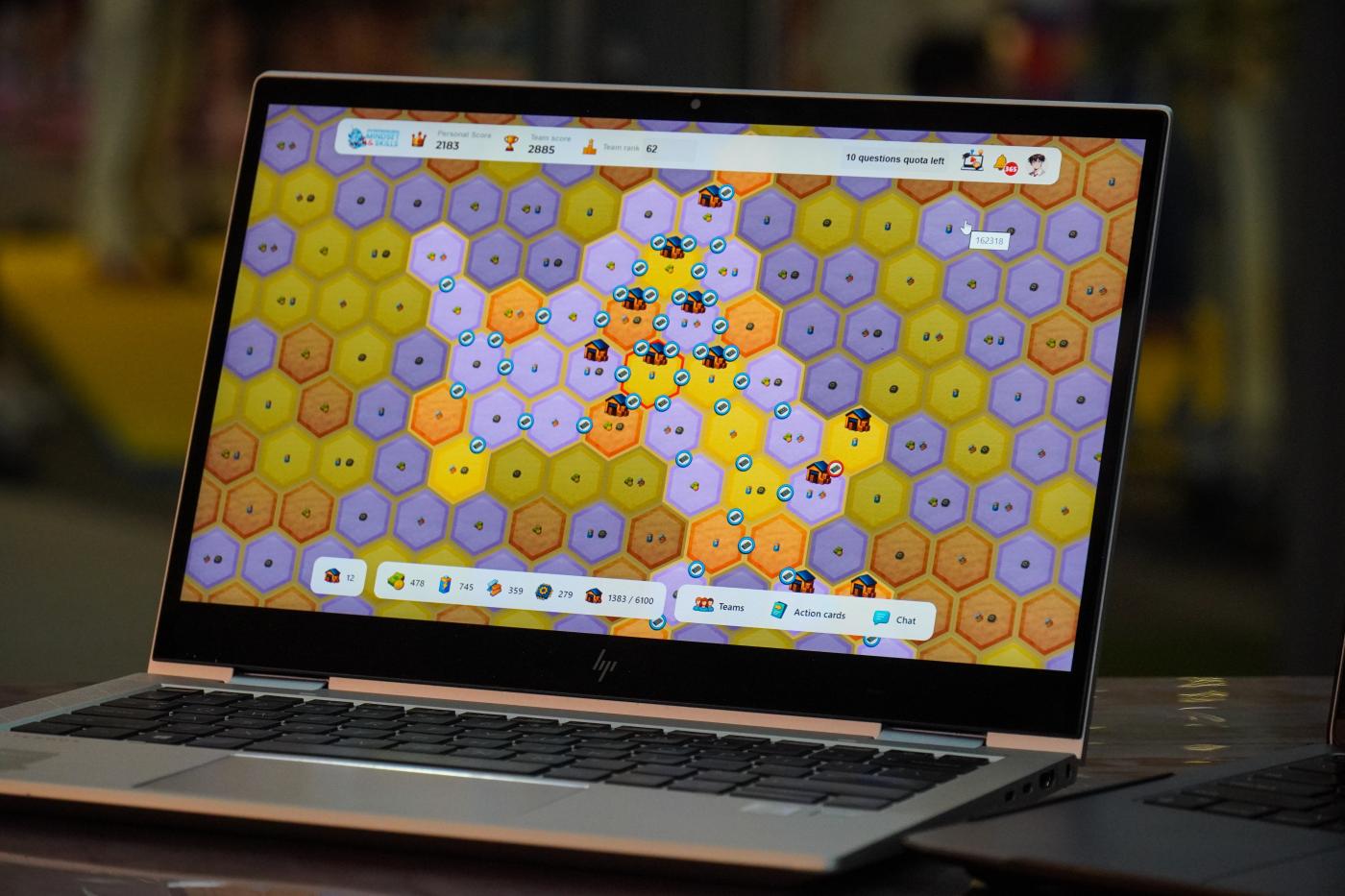
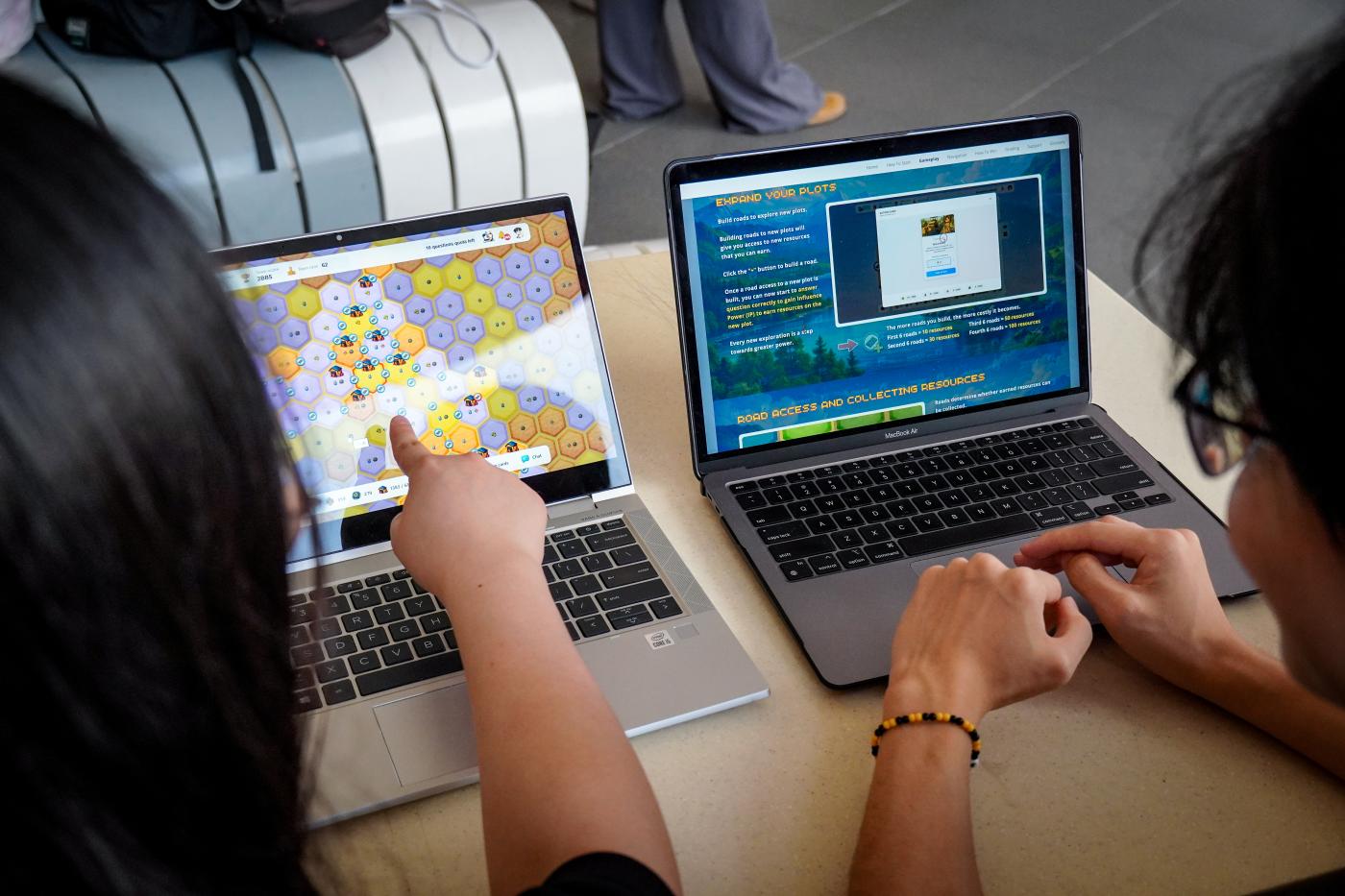
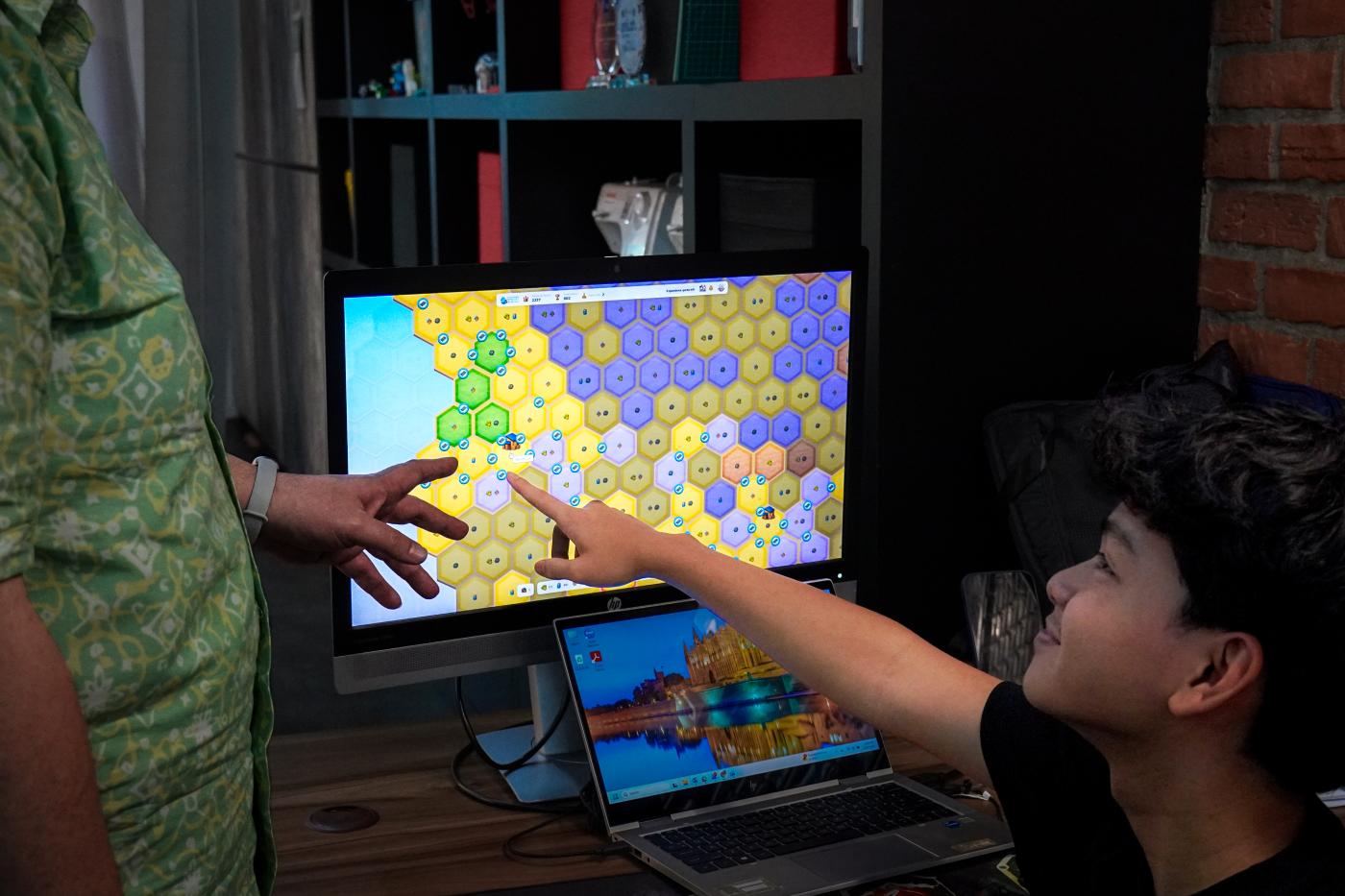
Its centrepiece is Paradox of Theron, a purpose-built simulation where students practise entrepreneurial decision-making as a team, under real uncertainty, over a full semester.
As an award-winning university-wide compulsory module, EMS bridges cross-disciplinary learning by equipping students with essential life capabilities like problem-solving, collaboration, risk-taking, and resilience. By utilising a virtual sandbox environment, it successfully scales hands-on entrepreneurial practices to thousands of students without losing individual depth.
Rather than treating entrepreneurship as an exclusive business discipline, Sunway's approach integrates technology-enhanced, peer-to-peer collaboration and experiential action-based learning to inculcate an entrepreneurial mindset, ethical leadership, and a passion for community engagement across all faculties.

Champion for Immersive Blended Learning with Game-based
Innovation for Entrepreneurship Education in Large Classes,
2024 AKRI Award

Finalist for Teaching & Learning Strategy of the Year in Asia,
2024 THE Awards Asia
Why We Rebuilt Entrepreneurship Education
You can lecture a large class. You can't coach one the same way.
Entrepreneurship is best learned as a method, through action, not recitation. That's straightforward in a small seminar, but far harder in a compulsory, university-wide module spanning diverse academic disciplines.
Sunway designed Paradox of Theron to close that gap, eliminating the compromises usually forced by mass education and avoiding the passive nature of traditional business case studies.
Traditional models rely heavily on static business plan construction, emphasising procedural theory like market analysis and financial forecasting. While foundational, this conventional approach misses the chaotic, dynamic realities of modern entrepreneurial ecosystems. POT introduces a flipped learning structure where online digital simulations merge seamlessly with interactive face-to-face tutorials and reflective sessions.
By immersing students in risk-free virtual environments, the platform tackles the inherent challenge of scaling education across large cohorts while maintaining personalised oversight through semi-automated assessments that simultaneously reduce faculty workloads.
| THE CONVENTIONAL MODEL | THE PARADOX OF THERON MODEL |
|---|---|
|
|
Inside Paradox Of Theron
A learning cycle borrowed from how entrepreneurs actually work.
Students enter a shared simulated venture as a team, taking on the everyday texture of entrepreneurial life: resource constraints, live market events, and choices that carry forward.
As part of Sunway's broader SUSTAIN framework, the platform also connects real-world ventures directly to global challenges such as the United Nations' Sustainable Development Goals (SDGs).
The cycle below repeats across the semester, with each round sharpening the last.
By forcing learners to navigate risk, experiment with creative ideas, and evaluate live feedback loops, the platform mirrors true entrepreneurial resilience. Students transition from passive recipients of case studies to active decision-makers who must strategize, fail safely, and continuously re-strategise based on systemic repercussions.
Decide
Make a strategic choice under uncertainty and limited resources.
Act
Carry out the decision, shaping the whole team's venture.
Experience
See the consequence unfold in a genuine feedback loop.
Reflect
Consider what happened, and why, before the next move.
Adapt
Revise the strategy and return to the cycle better informed.
Students consistently describe a shift in how they treat setbacks, from something to avoid, to something the simulation expects them to work through and learn from before the next round begins.
From Institutional Vision to Behavioural Evidence
The Paradox of Theron Learning Architecture
Proven Impact at Scale
Measured results from thousands of students.
Deployed university-wide across diverse faculties with a majority of non-business background students, Paradox of Theron successfully turns experiential learning into measurable growth, using semi-automated analytics to maintain personal tracking while reducing faculty burdens.
Empirical evaluations demonstrate that active game engagement significantly boosts cognitive, emotional, and social dimensions of learning. Rather than relying entirely on self-reported feelings, quantitative tracking confirms massive jumps in critical capabilities across large cohorts.
98.5%
88%
78%
72%
70%
80%
67%
64%
8
34
1,020
Cohort-Level Growth in Entrepreneurial Self-Efficacy
2.85 / 5
Pre-semester
3.42 / 5
Post-semester
+30.5%
Know how to develop an entrepreneurial project
From 22.6% pre-semester to 53.1% post-semester
Student Voices
In their own words.


