

Plenary Speakers

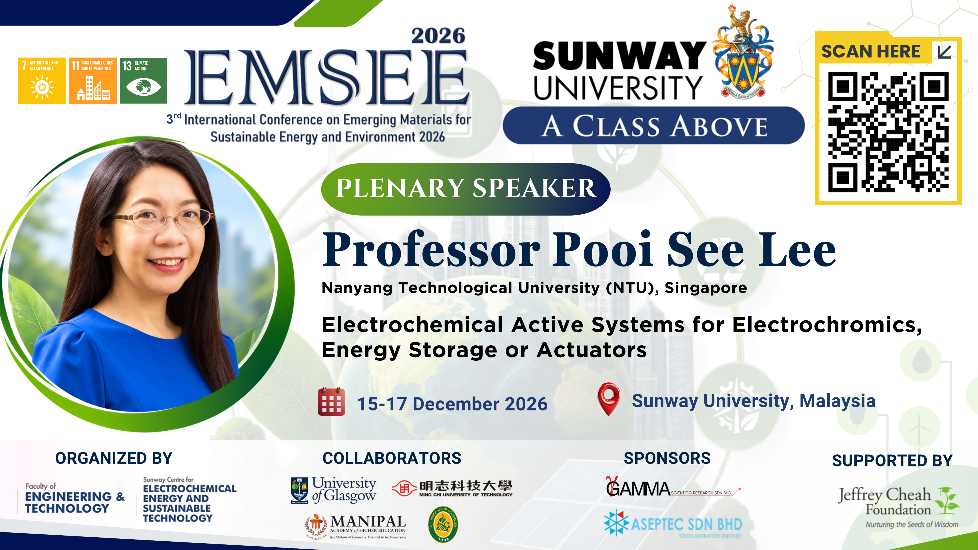
Professor Pooi See Lee
Prof. Pooi See LEE is the President’s Chair Professor in Materials Science & Engineering at Nanyang Technological University (NTU), Singapore. Her current research focuses on stretchable elastomeric composites for electronics and energy devices, human-machine interface, sensors and actuators, soft robotics and healthtech. Professor Lee received the Nanyang Research Award in 2016 and the Nanyang Award for Innovation and Entrepreneurship Award in 2018. She was awarded the NRF Investigatorship, Class of 2016. Her research outcomes have led to her being listed as a Highly Cited Researcher by Clarivate Analytics in 2018-2025. She was elected the National Academy of Inventors Fellow in 2020, MRS Fellow 2022 and RSC Fellow 2022. She won the SNIC - AsCA2019 Distinguished Woman Chemist Award 2022. She is the Senior Editor of ACS Energy Letters and serves on the editorial advisory board for several journals. She served as the Associate Provost (Graduate Education) and Dean of the Graduate College at NTU from 2020 to 2023, before her appointment as the Vice President (International Engagement) in 2024.
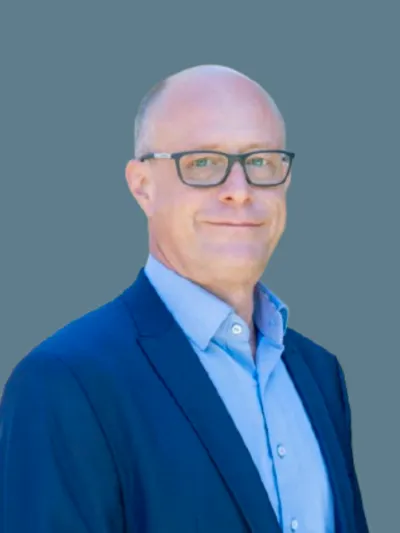
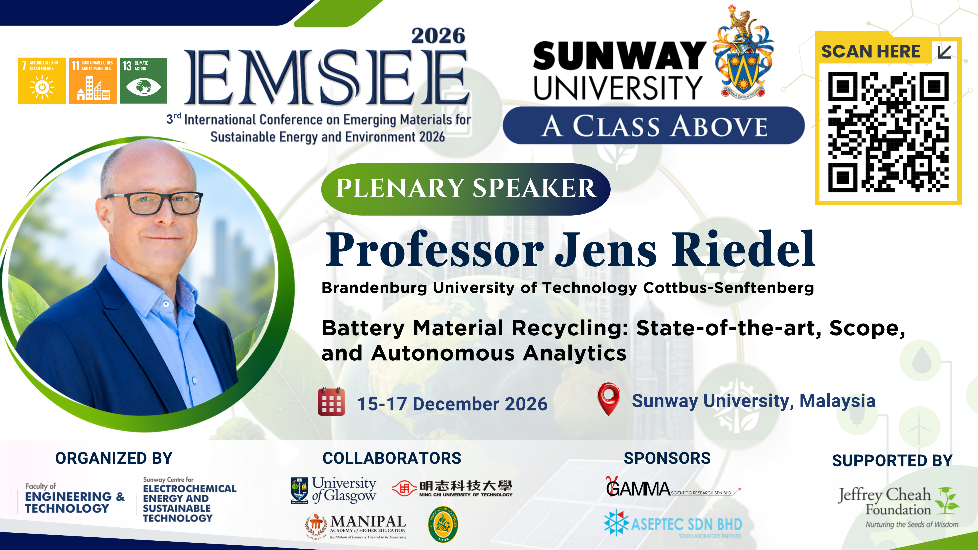
Prof. Dr. Jens Riedel
Prof. Dr. Jens Riedel is Professor of Spectrochemical Analytics at Brandenburg University of Technology Cottbus-Senftenberg (BTU) and Head of the Division of Instrumental Analytics at the Federal Institute for Materials Research and Testing (BAM), Germany. He has extensive expertise in analytical chemistry, spectroscopy, mass spectrometry, chemical imaging, and the development of advanced analytical instrumentation. Prof. Riedel obtained his Diploma in Chemistry and Dr. rer. nat. in Physical Chemistry from Kiel University, where his doctoral research focused on photoinduced molecular fragmentation processes using photofragment velocity mapping. His doctoral dissertation received the Ralph-Norwid-Schindler Prize for the best dissertation in Physical Chemistry. Following his doctoral studies, he conducted postdoctoral research at Academia Sinica in Taiwan and the Fritz Haber Institute of the Max Planck Society in Germany. He subsequently joined BAM, where he has held several scientific and leadership positions, including work on chemical imaging, spectroscopic and mass spectrometric instrumentation, and scientific strategy. Since 2021, he has served as Head of the Division of Instrumental Analytics. Prof. Riedel is actively involved in professional organisations including the German Chemical Society (GDCh), German Bunsen Society, German Society for Mass Spectrometry (DGMS), ReLiOS, the German Lithium Institute (ITEL), and NFDI4Chem. He also serves as a reviewer for major research funding organisations and leading international journals in analytical and chemical sciences.
Keynote Speakers
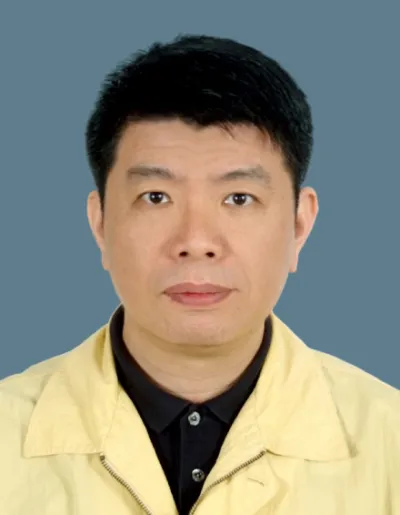
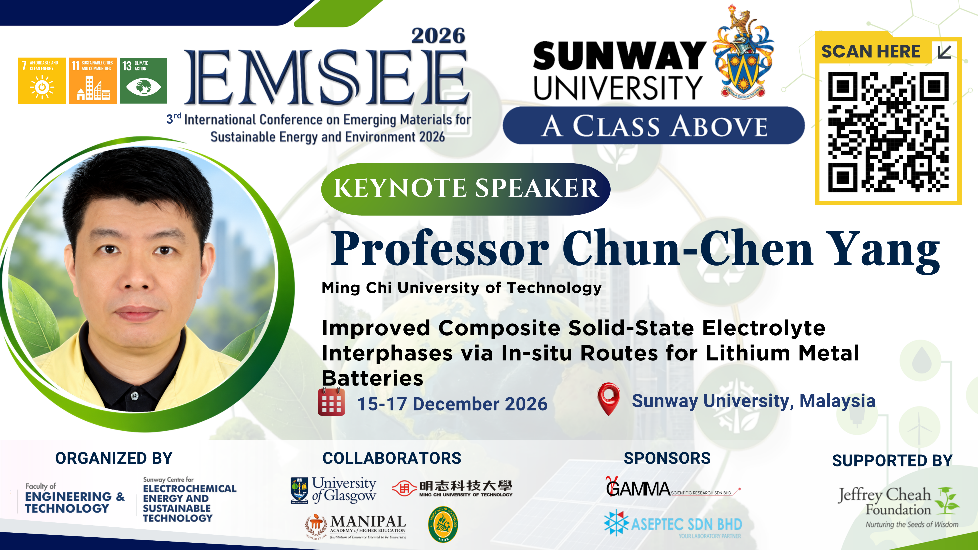
Professor Chun-Chen Yang
Prof Chun-Chen Yang is a distinguished professor in the Department of Chemical Engineering at Ming Chi University of Technology and a leading researcher in electrochemical energy storage and advanced battery technologies. His research focuses on lithium-ion batteries, lithium–oxygen batteries, polymer electrolytes, solid-state batteries, fuel cells, and nanostructured materials for sustainable energy applications. He is also affiliated with the Battery Research Center of Green Energy (BRCGE), where he actively leads innovative research on next-generation energy storage systems. Professor Yang has published extensively in high-impact journals and has received thousands of citations for his contributions to electrochemical engineering and battery materials research. His work emphasizes the development of high-performance cathode and anode materials, electrolyte engineering, and advanced nanocomposites for improving energy density, cycling stability, and safety in rechargeable batteries. He earned his Ph.D. in Chemical Engineering from Columbia University and has established strong international collaborations in the fields of energy storage and materials science.
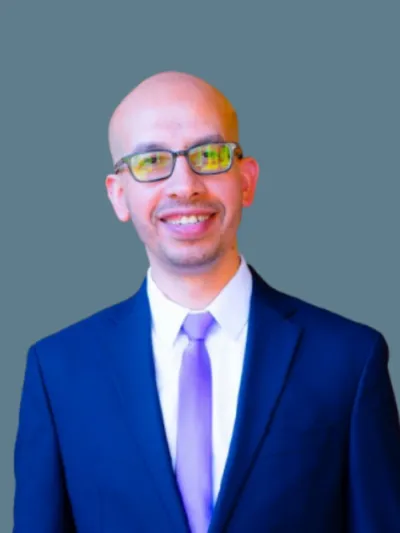
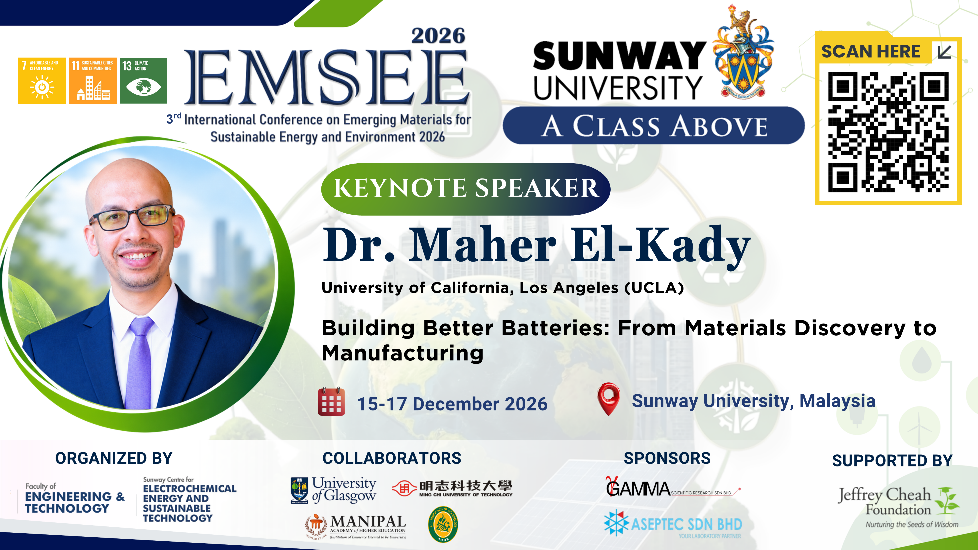
Maher El-Kady, PhD
Maher El-Kady is a materials scientist and entrepreneur recognized for his pioneering work in graphene-based energy storage and advanced nanomaterials. He is a Professional Researcher at UCLA's Department of Chemistry and Biochemistry and the Co-founder and Chief Technology Officer of Nanotech Energy. He obtained his B.Sc. and M.Sc. in Chemistry from Cairo University before earning his Ph.D. in Chemistry from UCLA under the supervision of Richard B. Kaner. Dr. El-Kady is best known for developing laser-induced graphene (LIG), a scalable technique for producing porous graphene using laser processing. This breakthrough has significantly advanced the development of flexible electronics, supercapacitors, and next-generation energy storage devices. His research interests include graphene and two-dimensional materials, batteries, supercapacitors, wearable electronics, nanogenerators, sensors, hydrogen technologies, and water purification. In addition to his academic research, Dr. El-Kady has successfully translated scientific discoveries into commercial technologies through Nanotech Energy, which develops graphene-enhanced batteries and advanced energy storage solutions. He has authored more than 80 peer-reviewed publications and holds over 250 patents and patent applications. His work has received widespread international recognition, including the C&EN Talented 12 award and the Energy Storage Materials Young Scientist Award. Through his contributions to both academia and industry, Dr. El-Kady has established himself as a leading figure in graphene research, with innovations that continue to shape the future of sustainable energy storage and flexible electronic technologies.
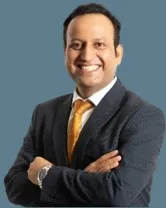
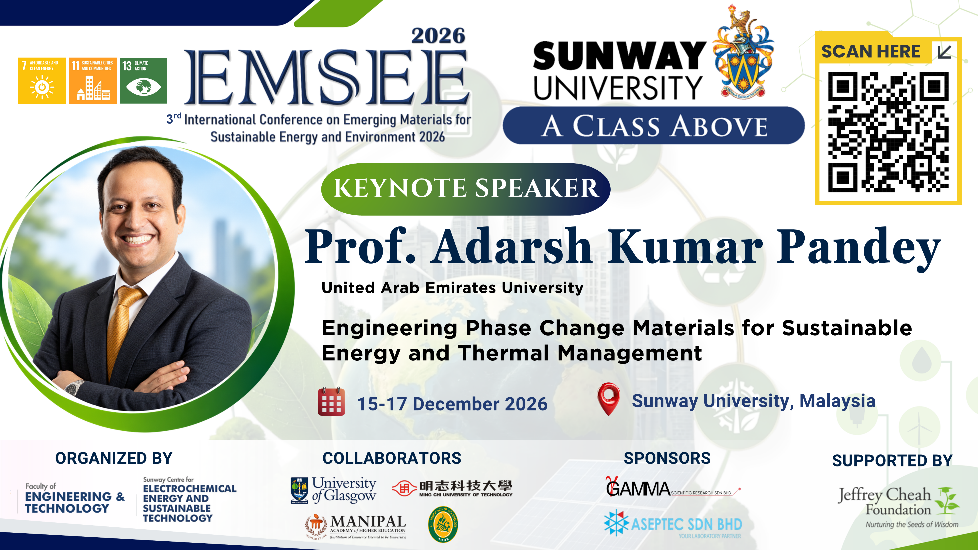
Prof. Adarsh Kumar Pandey
Adarsh Kumar Pandey is a Professor in the Department of Mechanical and Aerospace Engineering at the College of Engineering, United Arab Emirates University (UAE). Before joining UAEU, he served as Deputy Dean (Research and Sustainability) at Sunway University, Malaysia, where he actively contributed to strengthening research excellence, interdisciplinary collaboration, and sustainability-driven initiatives.
He has an extensive publication record, with more than 398 research articles indexed in the Scopus database. In addition, he has authored and edited numerous books and book chapters in the fields of thermal energy storage and renewable energy technologies. Prof. Adarsh has successfully secured and managed more than USD 1 million in competitive research funding as Principal Investigator (PI) and Co-Principal Investigator (Co-PI), reflecting his strong track record in leading funded research projects. His research leadership and impact have been further recognised through institutional honours, including the Sunway University Award for Excellence in Research (2022) and the Sunway University Award for Excellence in Enterprise and Innovation (2023). His research excellence is further highlighted by his inclusion in the global top 2% of scientists, as identified by Stanford University and Elsevier BV.
His current research interests include renewable and sustainable energy technologies, advanced energy materials, phase change materials, and nano-enhanced phase change materials, with a strong emphasis on improving energy efficiency and enabling sustainable energy solutions. Through his academic leadership, funded research, and scholarly contributions, Adarsh continues to make impactful contributions to the global clean energy research community.
Invited Speakers
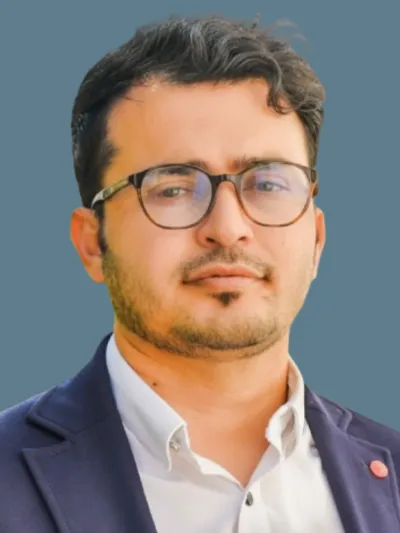
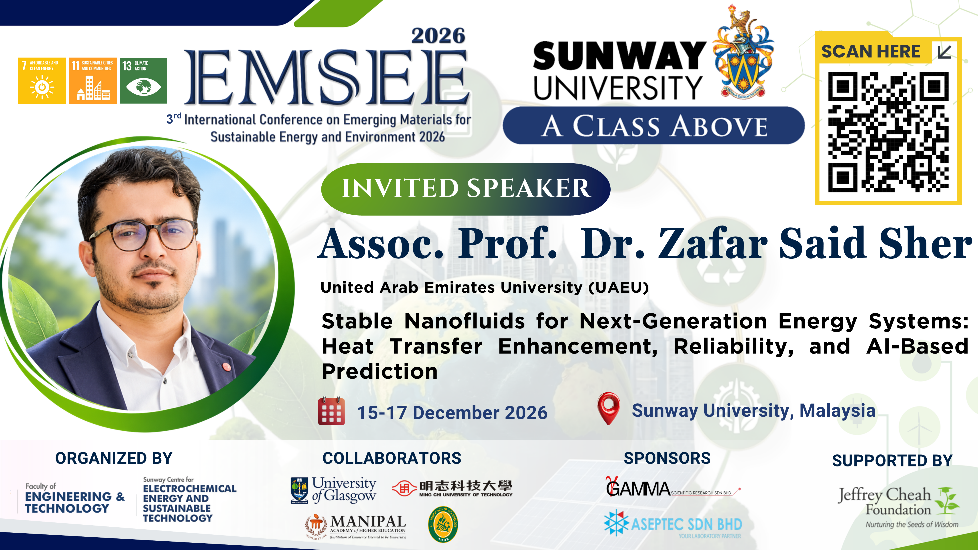
Dr Zafar Said
Dr. Zafar Said is a Distinguished Associate Professor in the Department of Mechanical and Aerospace Engineering at United Arab Emirates University. His research focuses on renewable and solar energy systems, artificial intelligence applications in energy, nanofluids, and advanced thermal sciences, supporting the UN Sustainable Development Goals related to clean energy, innovation, sustainable cities, and climate action. He has published more than 350 Web of Science-indexed journal articles, along with 6 books, 30 book chapters, over 30 conference papers, 6 granted U.S. patents, and 2 Indian patents. He has been continuously ranked among the World’s Top 2% Scientists by Elsevier BV and Stanford University in the field of Energy. His major recognitions include the Khalifa Award for Education – Distinguished University Professor, OIC–COMSTECH Best Young Researcher Award, Future Pioneer Award in Sustainability, Dubai Award for Sustainable Transport, and UAE Ministry of Energy and Infrastructure Research and Innovation Awards. He is an active plenary and keynote speaker at international conferences.
Dr. Jaspal Singh
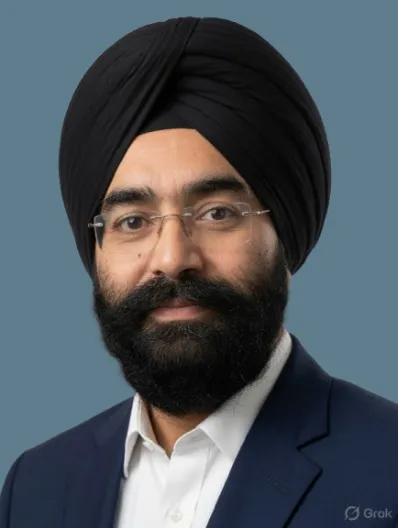
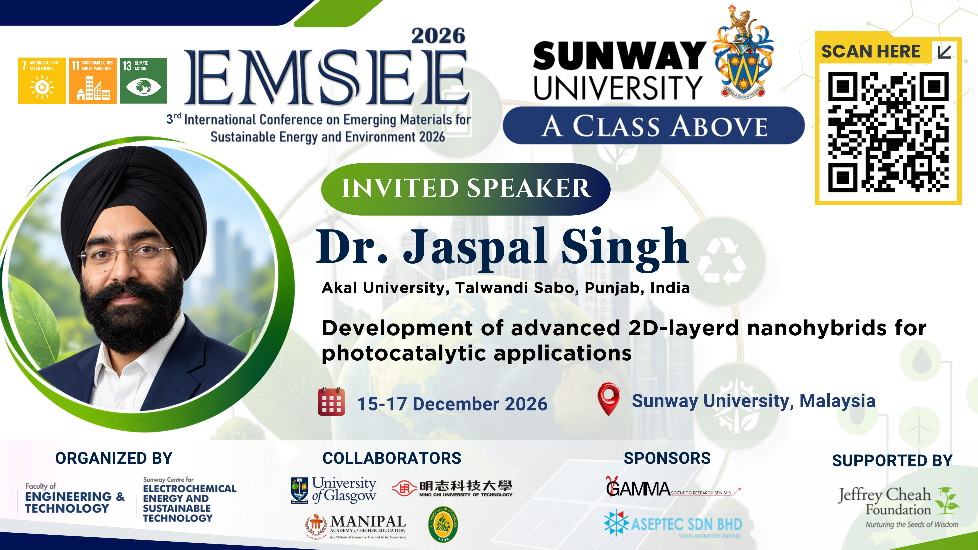
Dr Jaspal Singh is an Assistant Professor in the Department of Physics at Akal University, Talwandi Sabo, Punjab, India, and currently serves as a Visiting Researcher at Université du Québec à Trois-Rivières (UQTR), Canada. His research contributes to the development of plasmonic and 2D nanostructured photocatalysts for solar-driven hydrogen production, pollutant degradation, and ultrasensitive molecular detection, contributing to the design of sustainable technologies for clean energy and environmental remediation. Dr Singh earned his PhD in 2018 and subsequently conducted research at prestigious institutions, including the Indian Institute of Technology Delhi, India, Sungkyunkwan University, South Korea, and Université du Québec à Trois-Rivières (UQTR), Canada, where he worked on TMDC-based nanohybrids, MXene-derived nanostructures, and plasmonic materials for photonic applications. Dr Singh has published more than 67 peer-reviewed research articles in leading international journals, with an h-index of 30 and an i10-index exceeding 50. Since 2022, he has been recognised among the World's Top 2% Scientists in the annual rankings released by Stanford University and Elsevier. He actively serves the scientific community as a reviewer for numerous high-impact journals published by Elsevier, ACS, the Royal Society of Chemistry, and other leading scientific publishers. He has received several awards and recognitions, including multiple best oral presentation and best poster presentation awards at national and international scientific conferences. In addition, Dr Singh serves as Guest Editor for several international journals and special issues, including Catalysts (MDPI), Micro (MDPI), and Frontiers in Materials. His current research aims to develop next-generation multifunctional nanomaterials for clean energy generation, environmental remediation, energy storage, and ultrasensitive chemical sensing.
Dr. Syed Shahabuddin
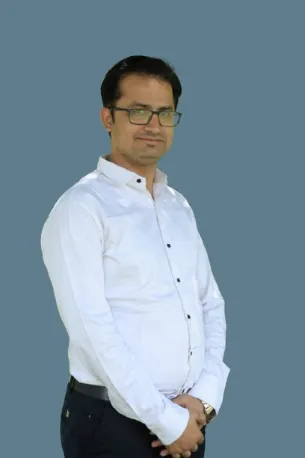
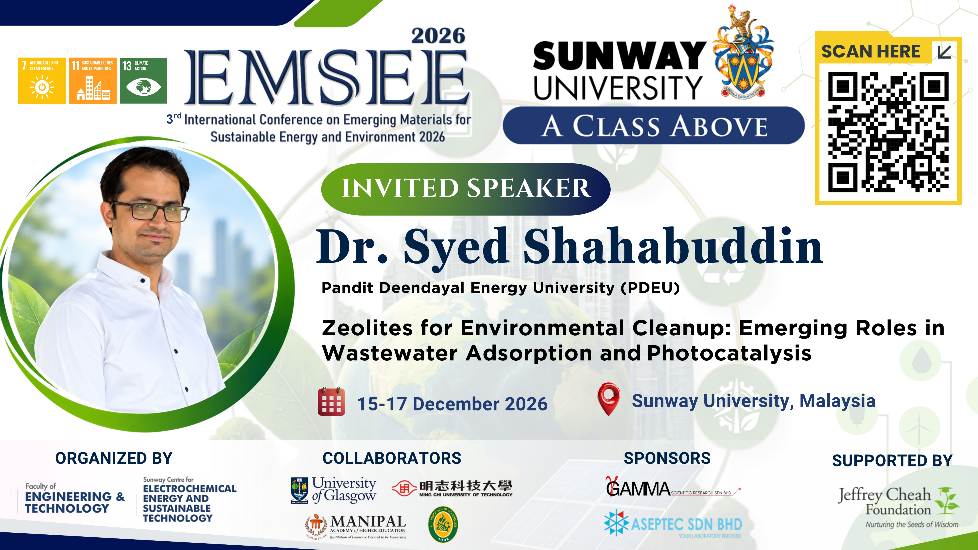
Dr. Syed Shahabuddin is a distinguished Assistant Professor at the School of Technology, Pandit Deendayal Energy University (PDEU), since December 2019, with over 12 years of combined research and teaching experience. He earned his M.Sc. in Materials Chemistry in 2011 from Jamia Millia Islamia, New Delhi, and completed his Ph.D. in Polymer Chemistry from the University of Malaya, Malaysia, in 2016. Dr. Syed's illustrious career includes over three years as Assistant Manager at Samtel Avionics Limited, India, and a tenure as Senior Research Fellow at Sunway University's Research Center for Nano Materials and Energy Technology in Malaysia. Dr. Syed has published more than 175 peer-reviewed articles in internationally indexed journals, authored four books, and published 13 patents. He is featured among the world's top 2% scientists by Stanford University for four consecutive years (2021–2025). His extensive mentorship has guided eight completed Ph.D. students, four current Ph.D. candidates, and numerous postgraduate and undergraduate dissertations. Renowned globally, he is a member of the Royal Society of Chemistry, a life member of the Society of Materials Chemistry, and serves as an editor for prestigious journals, including Scientific Reports (Nature). His research excellence spans biomaterials, nanomaterials, 2D MXenes, graphene, and conducting polymer nanocomposites, focusing on applications like wound healing, water treatment, photocatalysis, supercapacitors, and solar thermal systems. Dr. Syed has successfully completed multiple research projects and currently collaborates internationally. As an International Associate Editor for the Journal of Academia and Review Editor for Frontiers in Energy Research, he continues to contribute significantly to the scientific community. An organizer of numerous national and international conferences, his contributions to research and academia remain unparalleled.
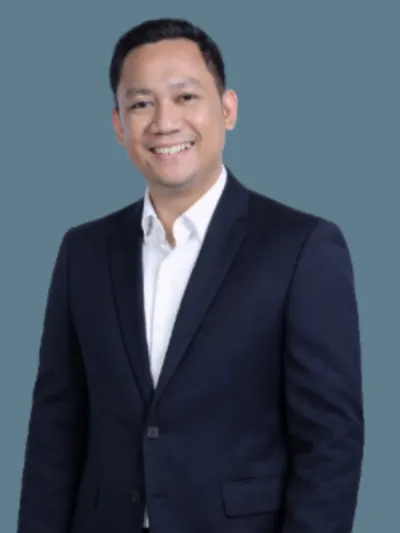
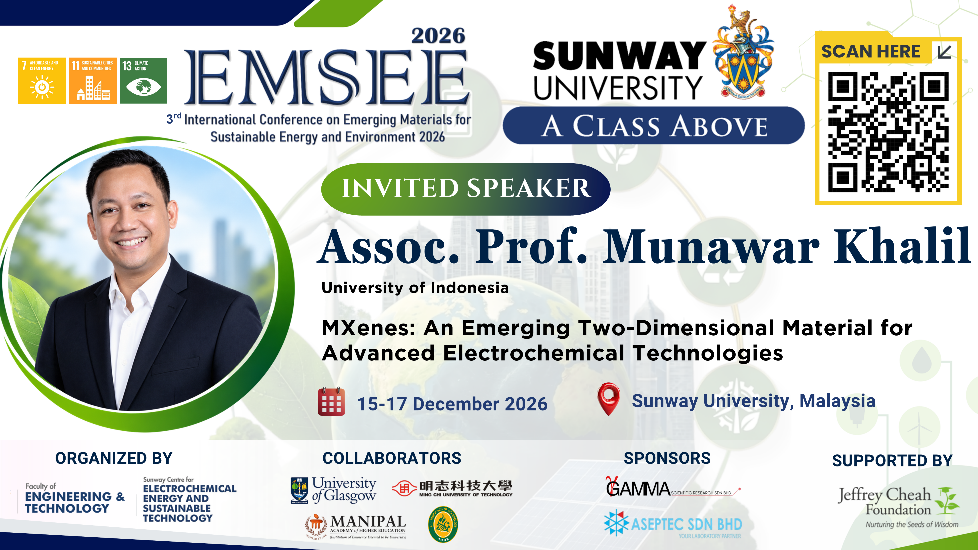
Assoc. Prof. Munawar Khalil
Assoc. Prof. Khalil is currently serving as head of department of chemistry at Universitas Indonesia, where he leads research on the rational design of low-dimensional functional materials for applications in Power-to-X technologies, biomedical systems, sensing devices, and the oil and gas industry. He received his Ph.D. in Chemistry from New Mexico Tech, USA, following an M.Eng.Sc. in Chemical Engineering from the University of Malaya and a B.Sc. in Chemistry from IPB University. Prior to his current appointment, he served as Director of Research and Development and Associate Dean for Internationalisation and Global Ranking at Universitas Indonesia. His research spans the development of various advanced materials, catalysis, electrochemistry, photoelectrochemistry, renewable energy conversion, and functional nanomaterials, with particular interest in MXenes and other low-dimensional materials for hydrogen production, CO2 conversion, energy storage, sensing, and related sustainable technologies. He has authored more than 150 Scopus-indexed publications, holds several patents, and actively collaborates with researchers and institutions across Asia, Europe, and other regions. His scientific contributions have been recognized through inclusion in the World’s Top 2% Scientists list by Stanford University/Elsevier, the Indonesian-American Kavli Frontiers of Science Fellowship, and several academic awards. He is also actively involved in professional and editorial activities and contributes to advancing chemistry, advanced materials, and sustainable energy research in Indonesia and internationally.