
Dialogue on Refugees: A Crossroad Between Humanity, National Security, and Basic Human Rights

The conversation on refugees is often framed as a tension—between compassion and control, and between openness and protection. In reality, however, it need not be viewed as a choice between humanity, national security, and basic human rights. Rather, the challenge lies in how these considerations can be reconciled responsibly, pragmatically, and with dignity.
Refugees are not merely statistics or policy challenges. They are individuals and families forced into displacement by conflict, persecution, and structural inequalities. At the same time, states have legitimate concerns relating to border management, social cohesion, and economic pressures. These concerns are real, but so too are the rights and humanity of those seeking protection.
It is within this context that meaningful dialogue becomes critical.
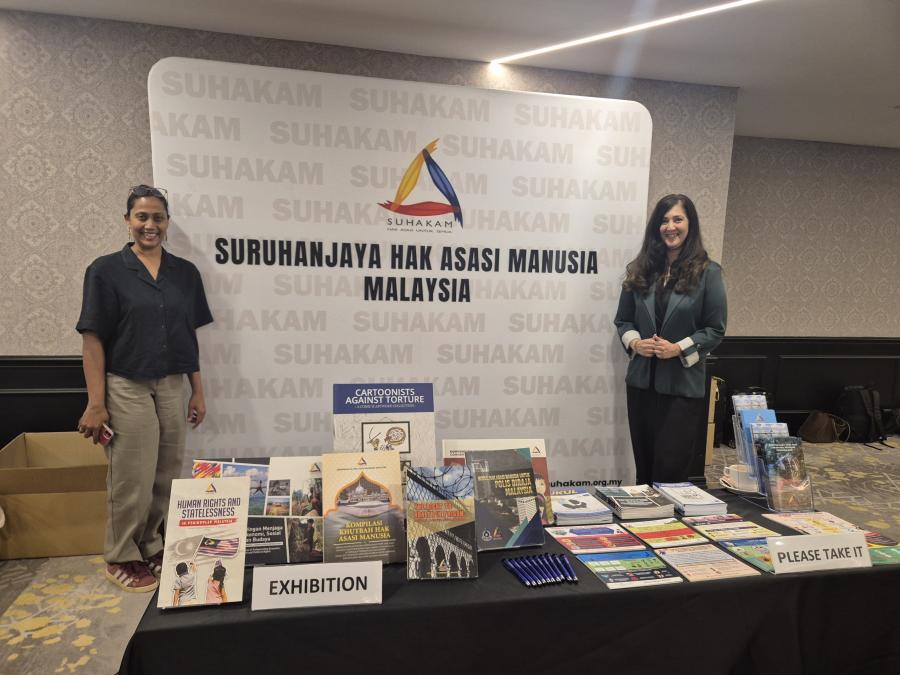
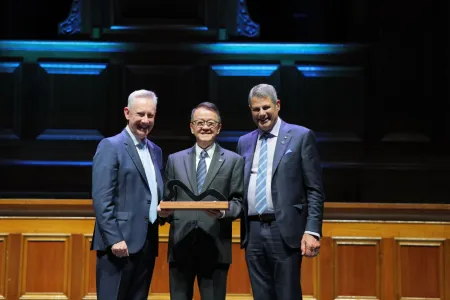
On 20 July 2026, Dr Tamara Joan Duraisingam and Associate Professor Dr Priya Sharma attended a dialogue session on refugees, bringing together perspectives on the intersection of humanity, national security, and basic human rights. During the dialogue session, Associate Professor Dr Priya Sharma, Head of the Centre for Commercial Law & Justice (CCLJ), Sunway University, highlighted a potential higher education pathway for refugee youth, drawing upon a white paper she previously led that proposed structured access to tertiary education through partnerships, flexible admissions frameworks, and targeted scholarship models.
The discussion was particularly timely alongside the presentation by the SUHAKAM Commissioner on a pathway developed in the Philippines, demonstrating how approaches to greater inclusion and access are already being explored and implemented within the region.
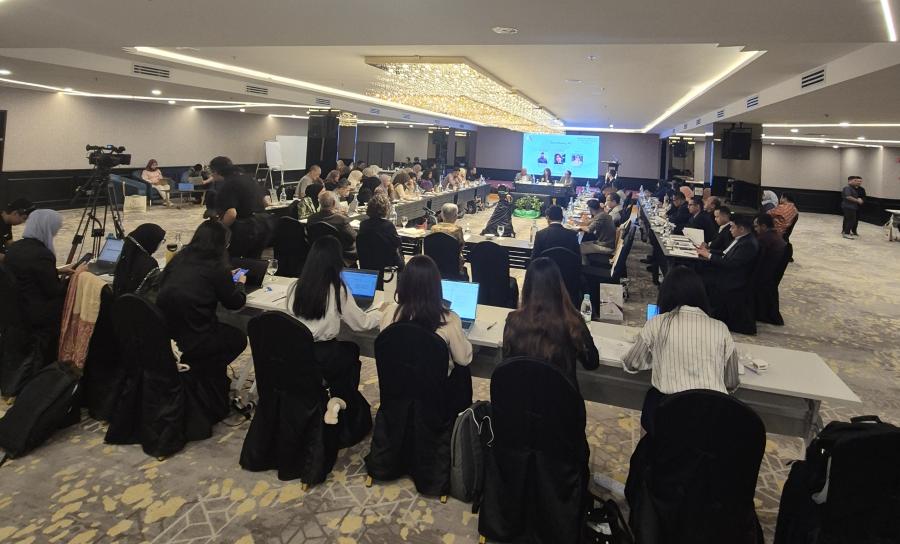
The dialogue also underscored the importance of a multi-stakeholder approach. Bringing together government and enforcement agencies, national human rights institutions, international organisations, civil society, and academia create space to move beyond polarised narratives and engage with important questions, including:
- How can refugee management systems be strengthened through appropriate registration and documentation?
- What would be required to bring domestic frameworks closer to international standards, including consideration of accession to the Refugee Convention?
- How can access to work, education, healthcare, and safety be addressed while maintaining public confidence and institutional integrity?
- Where can legal and policy reforms strengthen both protection and accountability?
Addressing these questions requires more than isolated interventions. It calls for coordinated, evidence-based policymaking that recognises legitimate national considerations while remaining grounded in human dignity and fundamental rights.
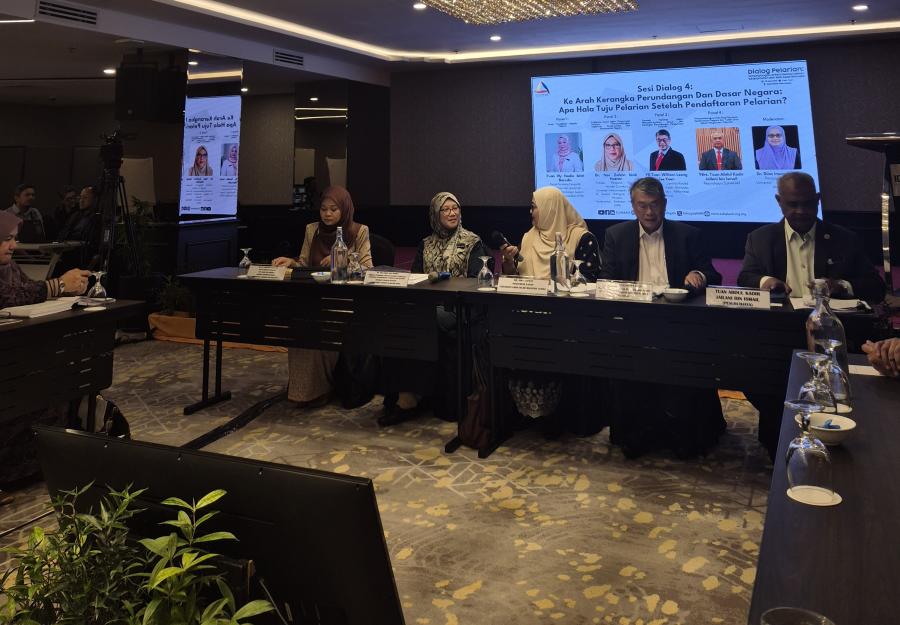
At this crossroads, the approaches adopted towards refugee protection and management will have implications not only for displaced communities, but also for the values, institutions, and societies being shaped for the future.
Ultimately, the dialogue highlighted an important proposition: the protection of human rights and the pursuit of national security need not be competing objectives. Effective, accountable, and rights-conscious governance can contribute to both.