
FCRI Welcomes Lancaster University Energy Expert for Insightful Session on Net Zero Collaboration

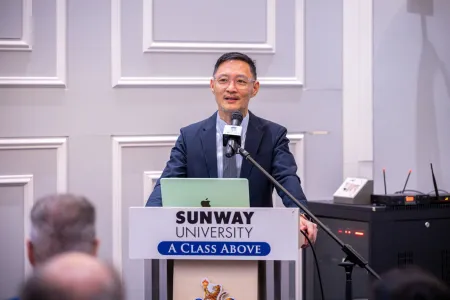
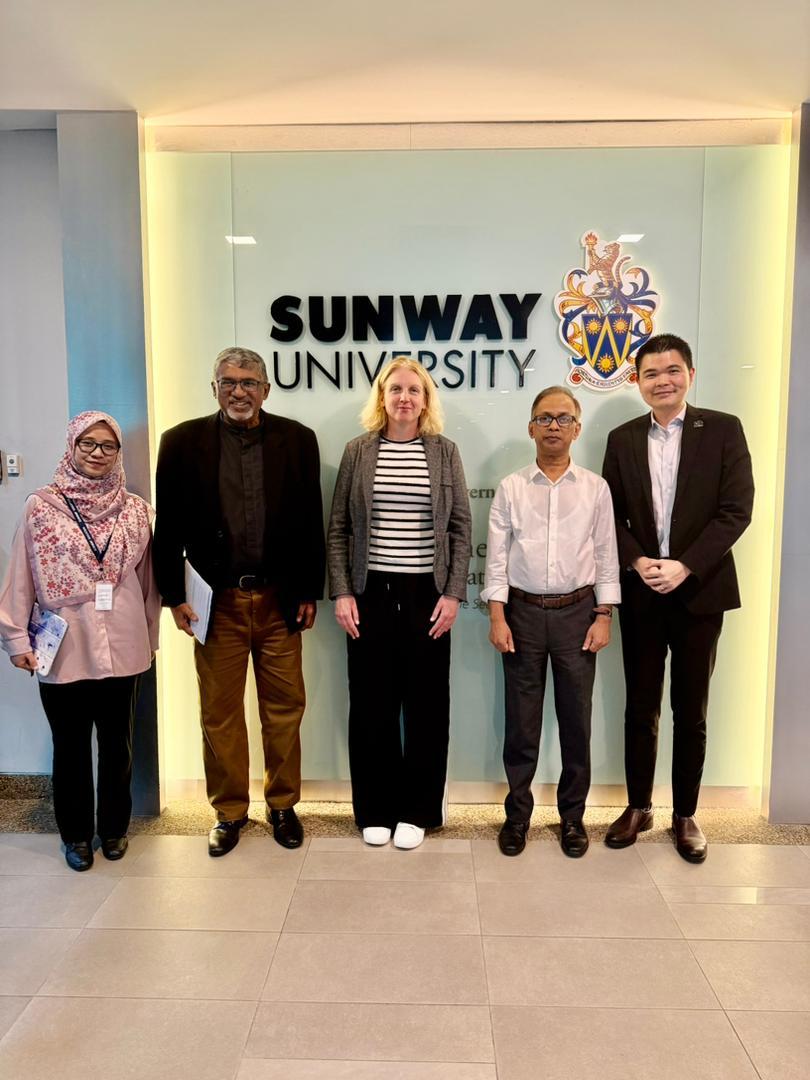
The Future Cities Research Institute (FCRI) recently welcomed Professor Alona Armstrong, Director of Energy Lancaster, Lancaster University (UK), for an engaging talk on how universities can play a leading role in advancing the global transition towards net zero.
Held on 25 June 2026 at Sunway University, the session, titled "Net Zero Through Collaboration: Energy Insights from the University Sector", brought together academics, researchers, postgraduate students, and industry stakeholders interested in sustainable energy, urban resilience, and climate action. As countries and cities worldwide work towards ambitious decarbonisation goals, the event provided a timely platform for discussing the critical role of universities in driving sustainable energy solutions and fostering impactful partnerships.
Drawing on her extensive experience leading Energy Lancaster, Professor Armstrong shared how Lancaster University has embedded sustainability and energy innovation into both its research activities and campus operations. Through a series of practical examples, she demonstrated how universities can serve as living laboratories for testing new technologies and developing solutions that support a cleaner and more resilient energy future.
A key theme of the session was the need for partnerships between universities, industry, policymakers, and communities to achieve meaningful progress towards net-zero goals. Participants also engaged in discussions on renewable energy, energy storage, and opportunities for international research collaboration.
The event provided a valuable platform for strengthening ties between Sunway University and Lancaster University, while supporting FCRI's mission to advance sustainable and resilient cities through research, innovation, and global collaboration.
Through initiatives like this, FCRI remains committed to connecting global expertise with local action, supporting research and collaboration that contribute to more sustainable, resilient, and future-ready cities.
Image
Gallery