

Biodiversity Conservation and Living Laboratories at Sunway University: Preserving Biodiversity Through Education, Research and Conservation
Sunway University is committed to conserving biodiversity and protecting natural ecosystems through a range of on-campus and flora and fauna conservation initiatives. As part of the University's sustainability agenda and commitment to the United Nations Sustainable Development Goals (SDGs), these initiatives serve as living laboratories that support teaching, research, experiential learning, and community engagement.
The University's conservation facilities preserve plant, animal, and aquatic species while creating opportunities for students, researchers, and visitors to learn about biodiversity conservation, ecosystem health, and sustainable environmental management.
On-Campus Conservation Initiatives
1. Cold-room Plant Conservatory
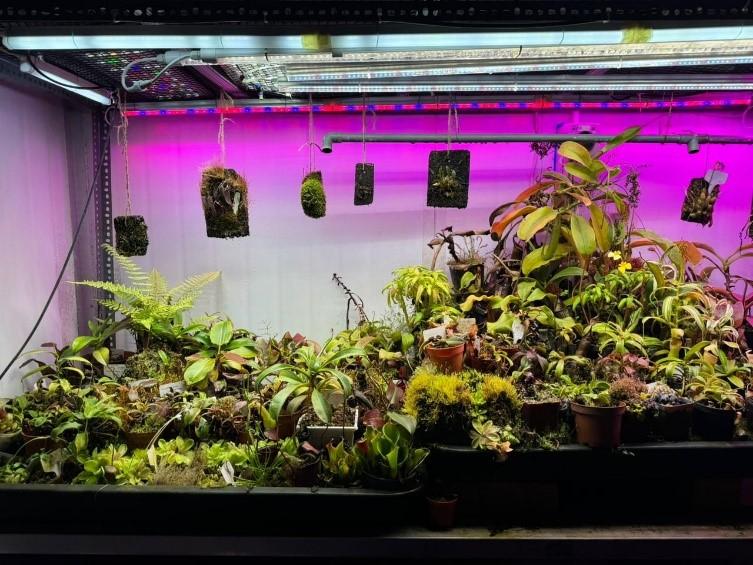
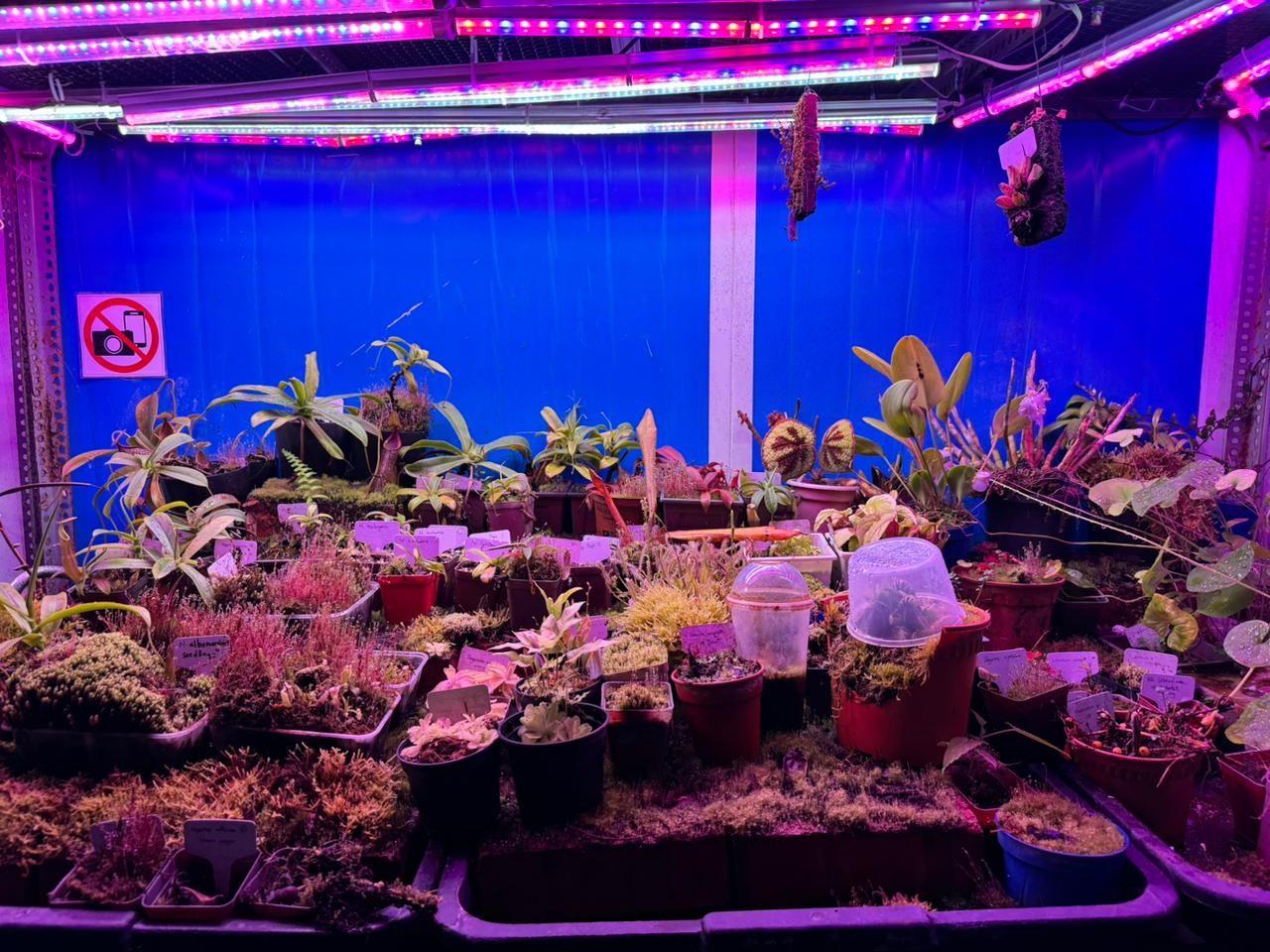
The Cold-room Plant Conservatory is a specially designed highland plant sanctuary that recreates the cool, misty conditions required by rare and threatened species. The facility supports the conservation of carnivorous plants and other highland flora that are increasingly threatened by habitat loss and land development.
Key Species Conserved:
- 33 species of Nepenthes (Pitcher Plants)
- 5 Nepenthes hybrids
- 9 other carnivorous plant species
- 20 non-carnivorous species, including orchids and begonias
- Moss species
2. Plant House
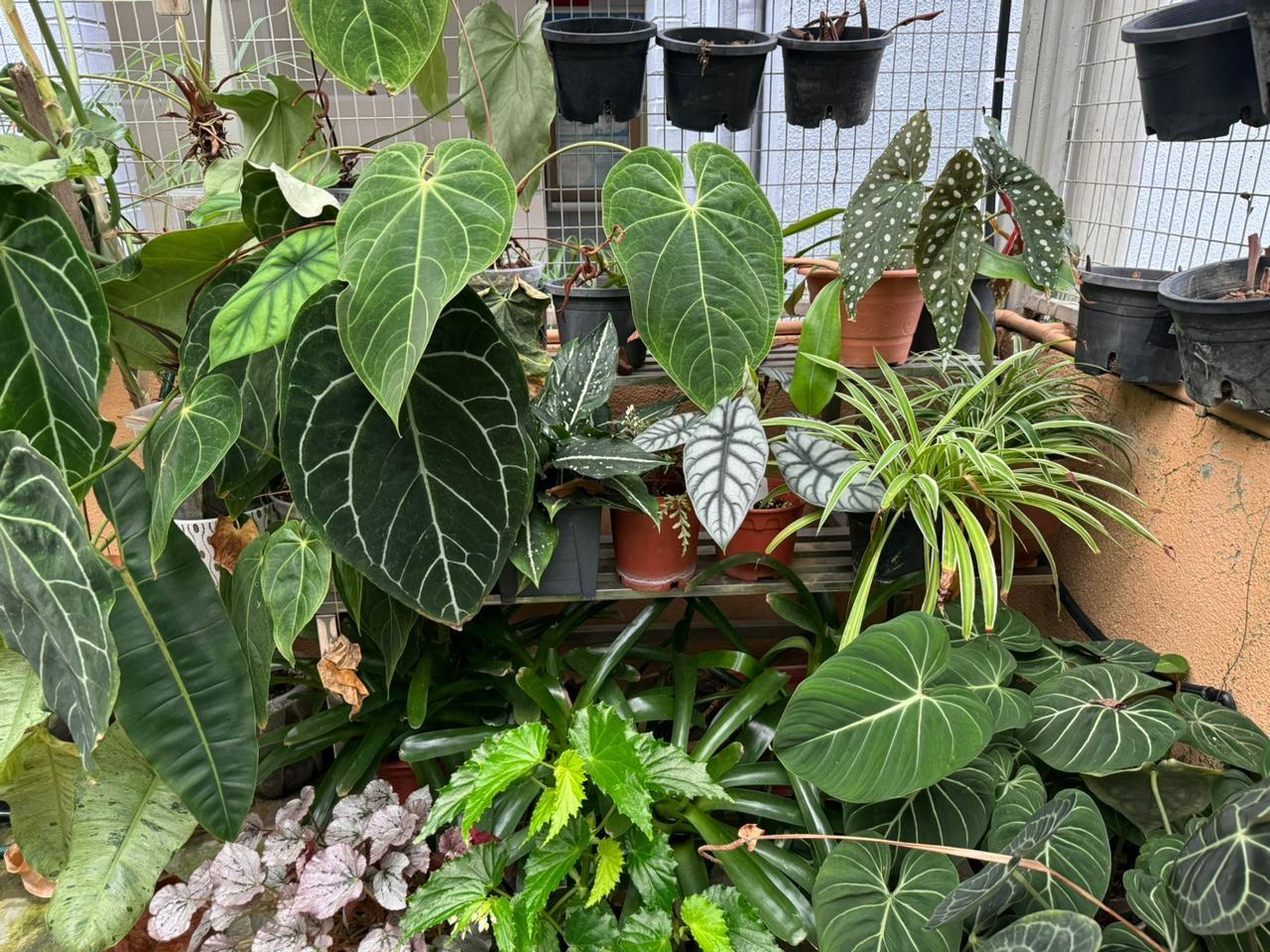
The Plant House serves as a living collection of tropical and exotic plant species for education, awareness, and conservation purposes.
Key Species Conserved:
- Apocynaceae- Hoya pubicalyx
- 1 species of Zamioculcas zamiifolia
- 1 species of Epidendrum stamfordianum
- 1 species of Dendrobium hybrid
- 1 species of Neoregelia (Pendula)
- 1 species of Bulbophyllum vaginatum
- 1 species of Aloe Vera
- 2 species of Nymphaea hybrid
- 1 species of Bacopa
- 1 species of Echinodorus palaefolius (Mexican swordplant)
- 1 species of Salvinia minima
- 1 species of Sagittaria
- 1 species of Cyperus alternifolius (Umbrella papyrus)
- 1 species of Dinochloa scabrida S.Dransf
- 1 species of Pitcairnia jimenezii
- 1 species of Grammatophyllum speciosum (Giant orchid)
- 2 species of Anthurium
- 6 species of Philodendron
- 2 species of Alocasia
- 4 species of Begonia
- 1 species of Sansevieria masoniana (Hiram surita)
- 2 species of Nepenthes
- 1 species of Syngonium podophyllum
- 1 species of Callisia fragrans (Basket plant)
- 1 more species of Neoregelia (Mcwilliamsii)
- 1 species of Pandan Leave
- 1 species of Dragon Fruit
- 1 species of Plectranthus amboinicus (India borage)
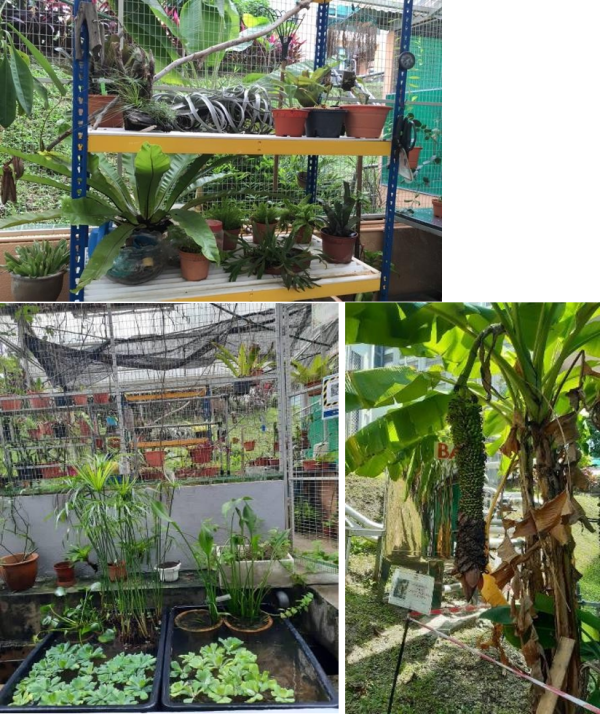
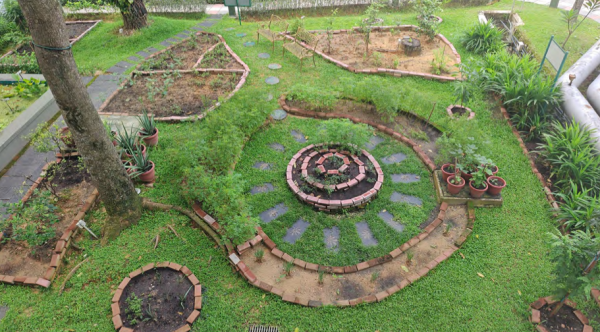
3. Butterfly and Herb Garden
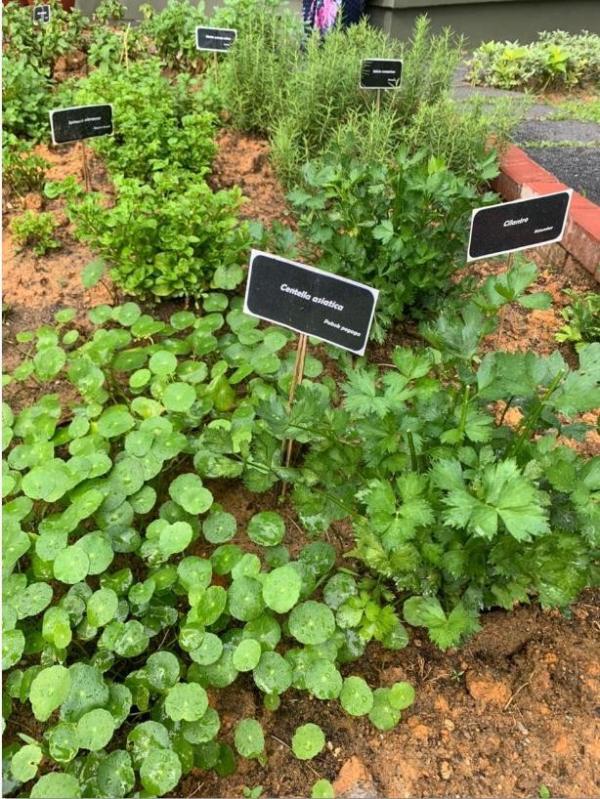
The Butterfly and Herb Garden integrates biodiversity conservation with sustainable urban gardening. The garden supports pollinators while showcasing herbs and medicinal plants commonly used in Malaysian cuisine.
Key Species Conserved:
- Murraya koenigii/Curry leaves / Daun kari
- Orthosiphon aristatus / Misai Kuching
- Ocimum basilicum / Thai basil / daun Selasih
- Salvia rosmarinus / rosemary
- Apium graveolens / Celery
- Petroselinum crispum / parsely
- Aloe vera / Lidah buaya
- Hibiscus sabdariffa / Roselle
- Abelmoschus esculentus / Okra / Bendi
- Citrus x microcarpa / Calamansi lime / Limau kasturi
- Citrus x aurantiifolia/ Key Lime/ Limau nipis
- Citrus hystrix / kaffir lime / limau purut
- Vietnamese coriander/Pokok Daun Kesum
- Garlic chives /Kuchai
- Cymbopogon citratus/Lemon grass/ Serai
- Etlingeraelatior /torch ginger/ bunga kantan
- Pennywort/ pegaga
- Curcuma longa/Turmeric/Kunyit
- Cosmos caudatus/Ulam raja
- Solanum melongena/Brinjal
- Pandanus amarylllifolius /Pandan
- Citrus × limon / lemon
- Ziziphus mauritiana / indian jujube/ bidara
- Tulbaghia violacea / society garlic
Educational Benefits:
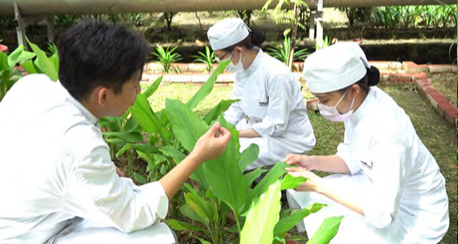
The herbs and edible plants are utilised by the School of Hospitality and Service Management for:
- Culinary education
- Teaching kitchens
- Athanor Restaurant operations
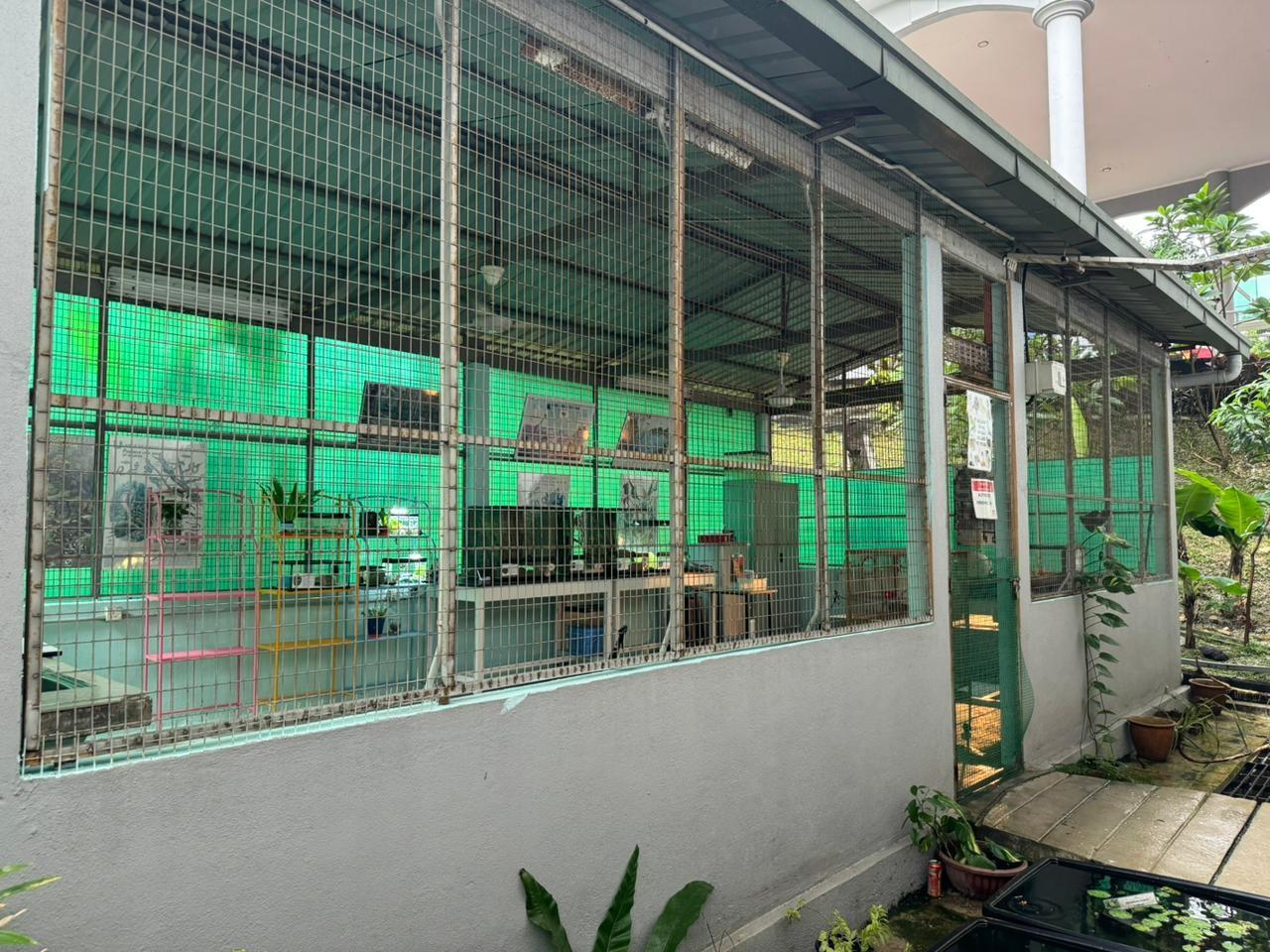
4. Animal House
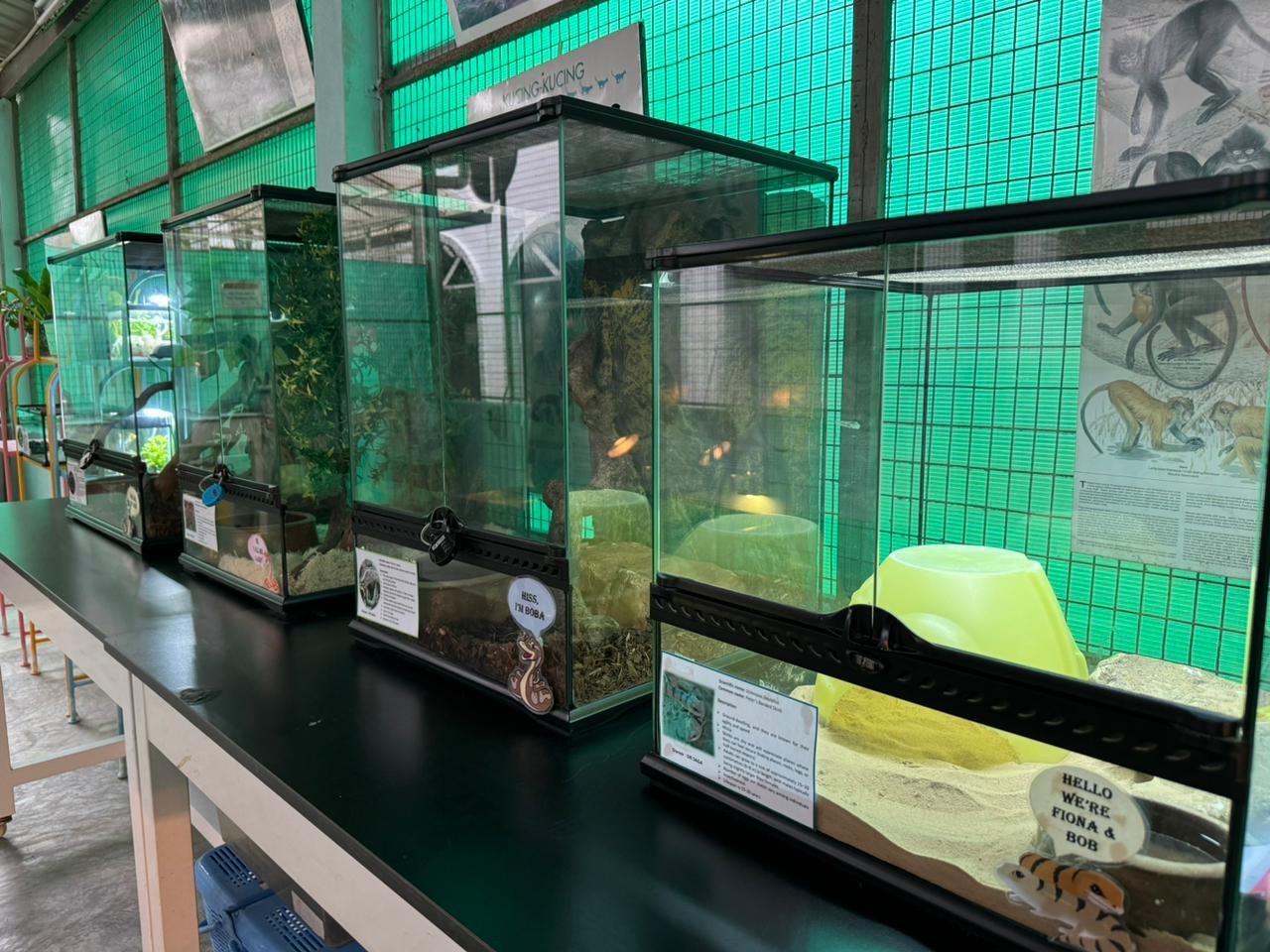
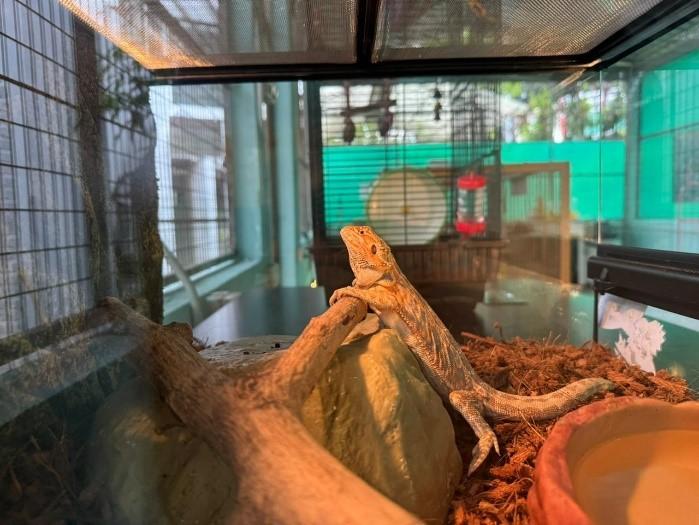
The Animal House provides a licensed conservation and educational facility where students and visitors can learn about wildlife, animal welfare, and biodiversity.
Key Species Conserved:
- 2 species of tortoise (sulcate, red foot)
- 2 species of snakes (corn, ball python)
- 1 species of gecko (blizzard leopard gecko)
- 1 species of marsupial (sugar glider)
- 1 species of bird (ring neck)
- 1 species skink (Peter’s banded)
- 1 species turtle (yellow bellied)
- 1 species bearded dragon (hypo orange leatherback)
- 1 more gecko species (yellow leopard gecko)
- 4 species fish (gourami, betta, angel, tetra)
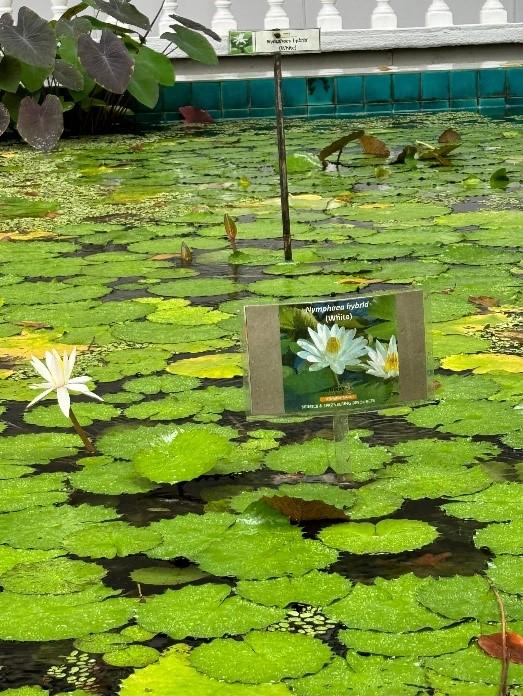
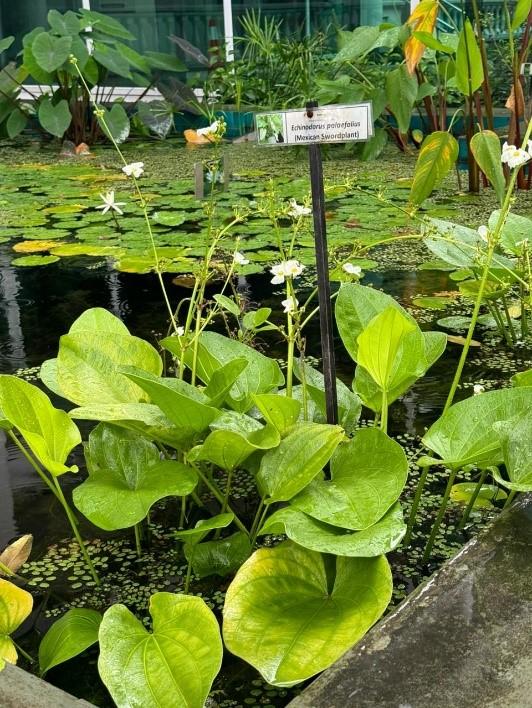
5. Water Lily Pond
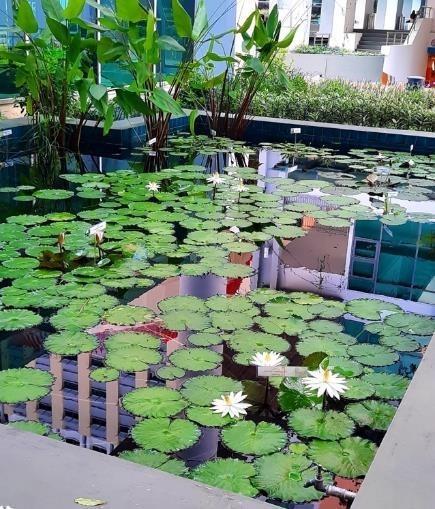
The Water Lily Pond showcases aquatic biodiversity and demonstrates the importance of freshwater ecosystems.
Key Species Conserved:
- 3 species of Nymphaea hybrids
- 1 species of Cyperus alternifolius (Umbrella papyrus)
- 1 species of Echinodorus palaefolius (Mexican swordplant)
- 1 species of Nymphoides indica (Water snowflake)
- 1 species of Thalia geniculate
- 2 species of Colocasias (Black Magic, Lemon-lime gecko)
- 1 species of Salvinia minima
- 1 species of Elodia
- 1 species of Utricularia sp
6. Aquarium Room
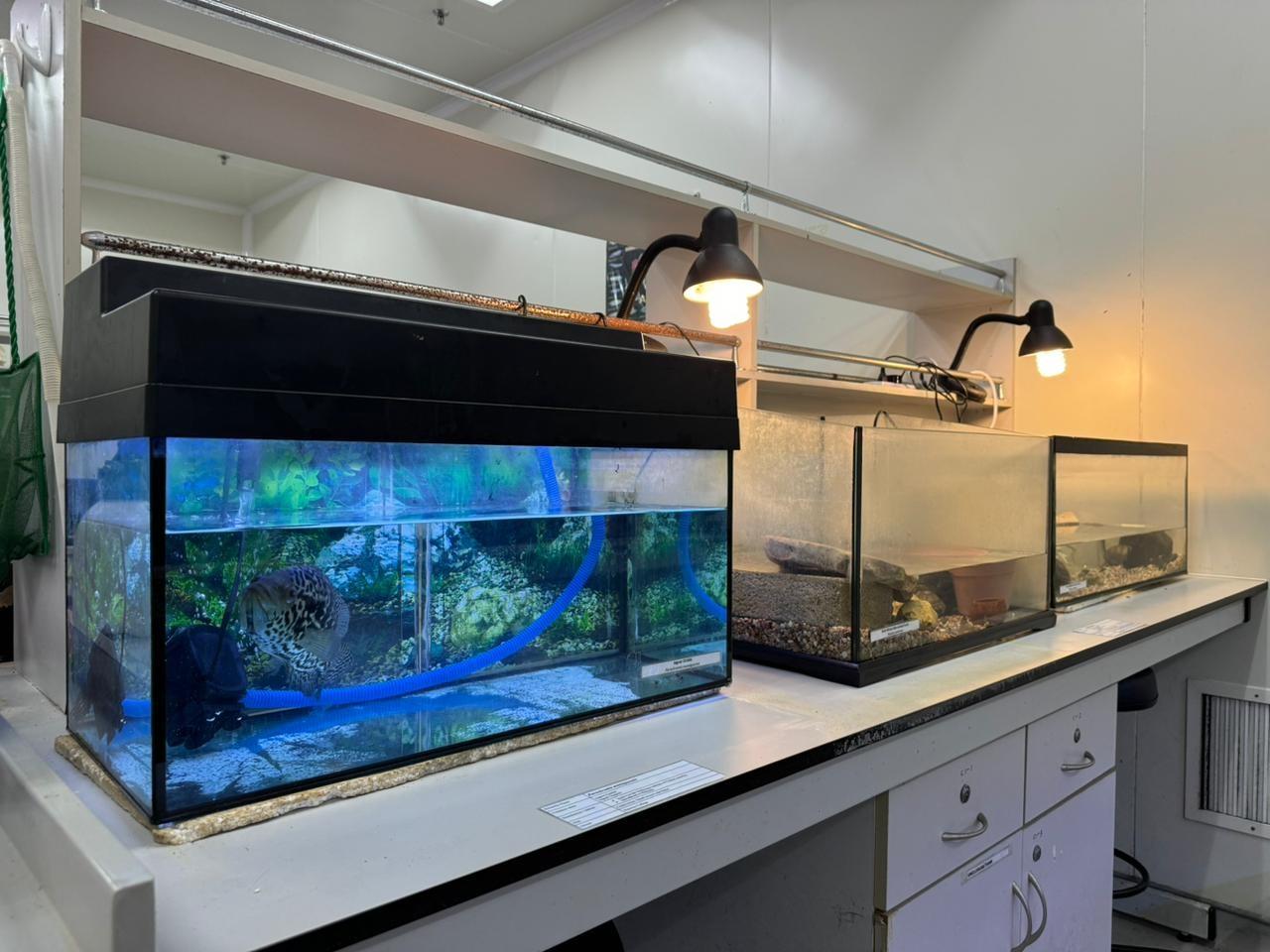
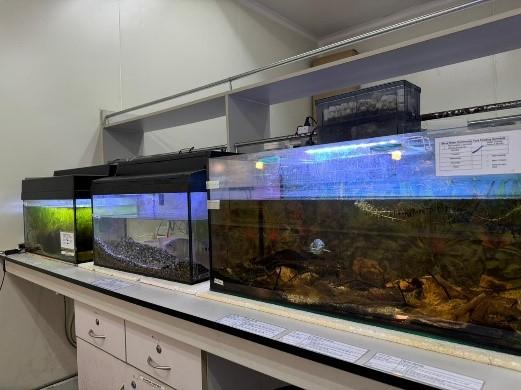
The Aquarium Room houses a diverse collection of freshwater and tropical aquatic species, promoting awareness of aquatic ecosystems and biodiversity.
Key Species Conserved:
- 1 species of cockroach
- 1 species of frogs
- 1 species of turtle
- 1 species of tortoise
- 2 species of carp
- 2 species of cichlid
- 1 species of pacu
- 1 species of bichir
- 1 species of tetra
- 1 species of catfish
- 1 species of snakehead fish
- 2 species of guorami
- 1 species of goldfish
- 1 species of isopod (3 sub-species)
- 1 species of glofish
- 1 species of suckermouth fish
- 3 species of shrimp
- 1 species of mantis
- 2 species of catfish
- 5 subspecies of isopods
- 1 species of beetle
- 1 species of frog
Flora and Fauna Conservation Initiatives
1. Flora and Fauna Conservation Area at Sunway Lagoon
Sunway University has adopted a designated flora and fauna conservation area within Sunway Lagoon for research and conservation purposes. The site functions as a living laboratory where students and researchers conduct biodiversity surveys, ecological monitoring, and conservation studies.
Key Outcomes:
- Biodiversity monitoring
- Habitat conservation
- Environmental education
- Research opportunities for students
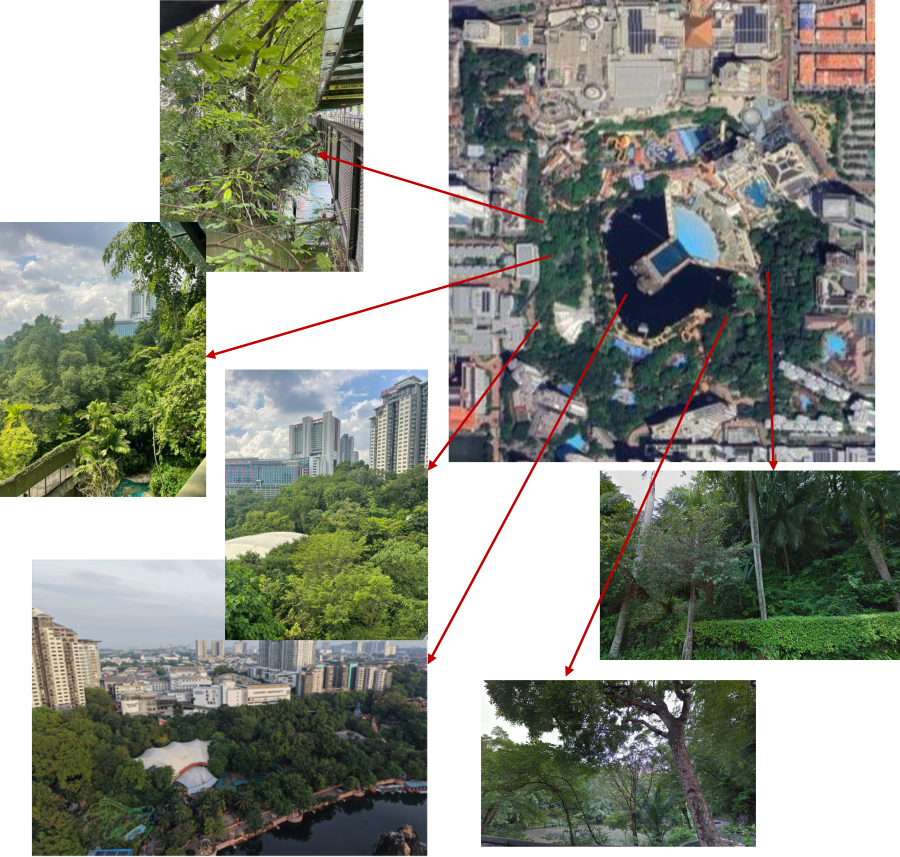
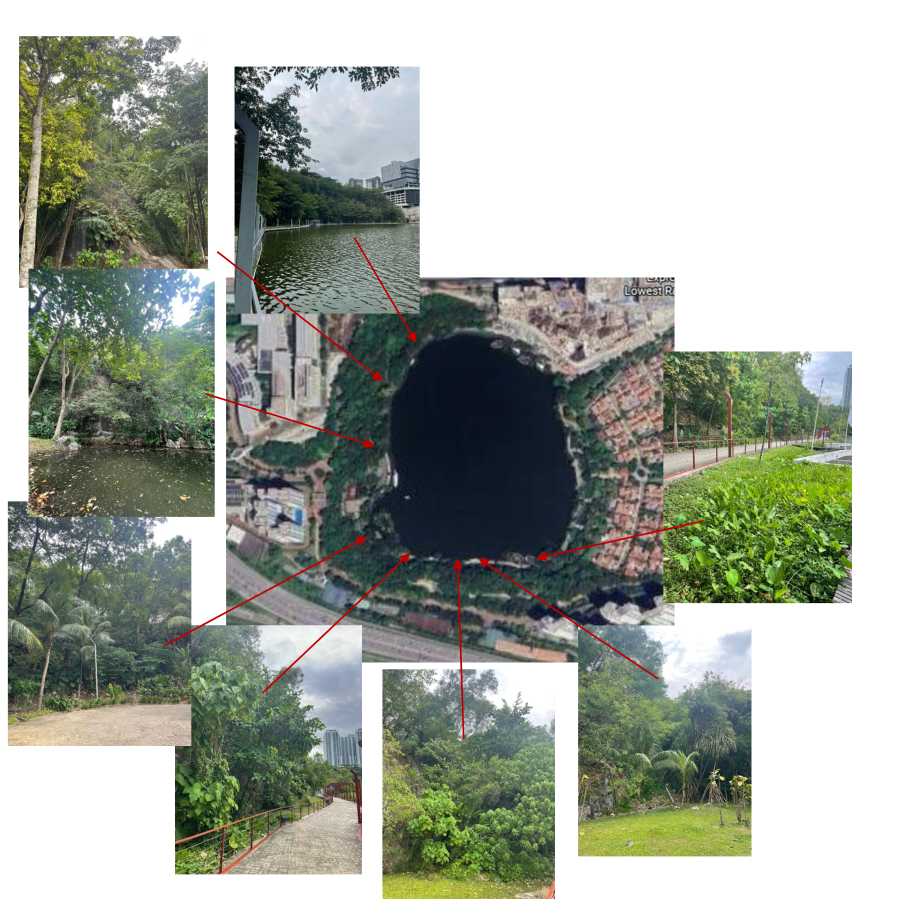
2. South Quay Lake Forest Conservation Area
The Sunway South Quay Lake Forest has been adopted for long-term ecological research and conservation. The site includes forested habitats, water catchment areas, and diverse plant and animal communities.
Conservation Benefits:
- Protection of urban biodiversity
- Water catchment conservation
- Ecological monitoring
- Climate resilience research
- Nature-based learning opportunities
The lake and surrounding forested areas contribute significantly to Sunway University's sustainability goals while providing valuable opportunities for field-based research and environmental stewardship.