


Policy Development for Clean Energy Technology
SDG 7.4.4
Local - Sunway University's Sunway Centre for Planetary Health involvement with Ipoh City Council (MBI) in Ipoh Doughnut Economics Programme
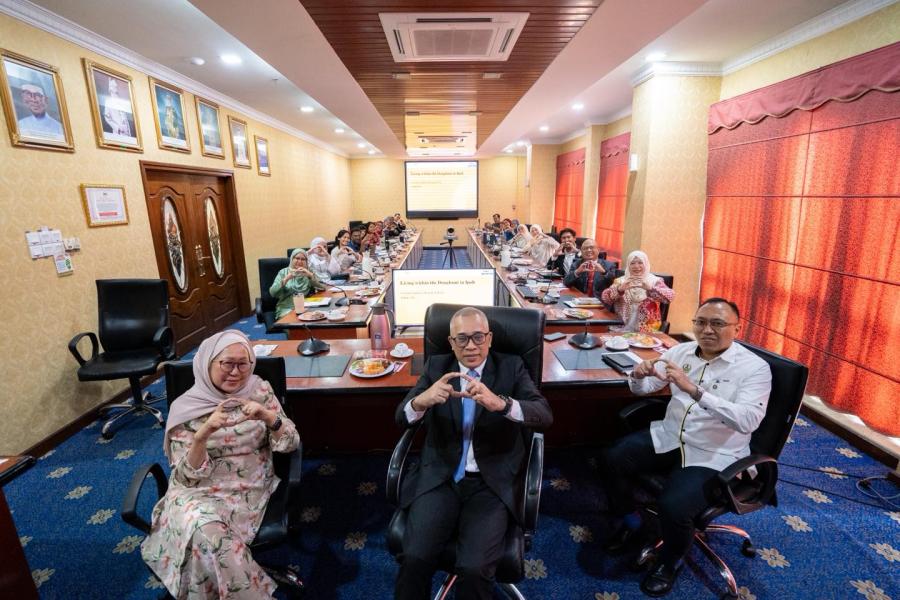
Launched in March 2023 with funding from Yayasan Hasanah, the Ipoh Doughnut Economics Programme is a partnership between Sunway University’s Sunway Centre for Planetary Health (SCPH), Institut Darul Ridzuan (IDR), People of Remarkable Talent (PORT), and Ipoh City Council (MBI). Endorsed by Sultan Nazrin Muizzuddin Shah of Perak, the initiative positions Ipoh as Malaysia’s first “Doughnut City,” embedding sustainability principles into city planning and governance.
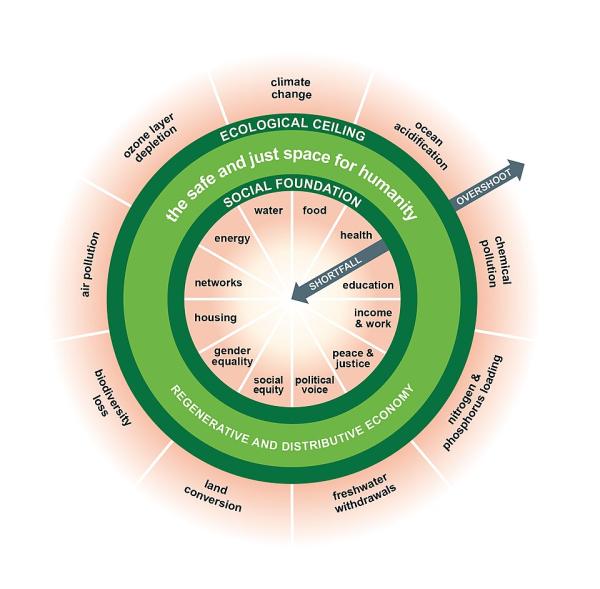
The Doughnut framework is visually represented by a doughnut shape: the inner ring signifies the social foundations necessary for human well-being—such as health, education, energy, housing, and water—while the outer ring represents the ecological ceiling, beyond which environmental harm occurs through climate change, biodiversity loss, and pollution. The space between the two rings defines the safe and just space where a fair, inclusive, and sustainable society can thrive.
Within this framework, clean energy and energy-efficient technologies are prioritised as critical levers for sustainable development. By integrating renewable energy, energy-efficient building design, and low-carbon urban mobility into local policy, the programme supports governments in addressing both climate change and urban resilience. These strategies not only reduce emissions and improve resource efficiency but also foster healthier, more affordable, and more resilient communities.
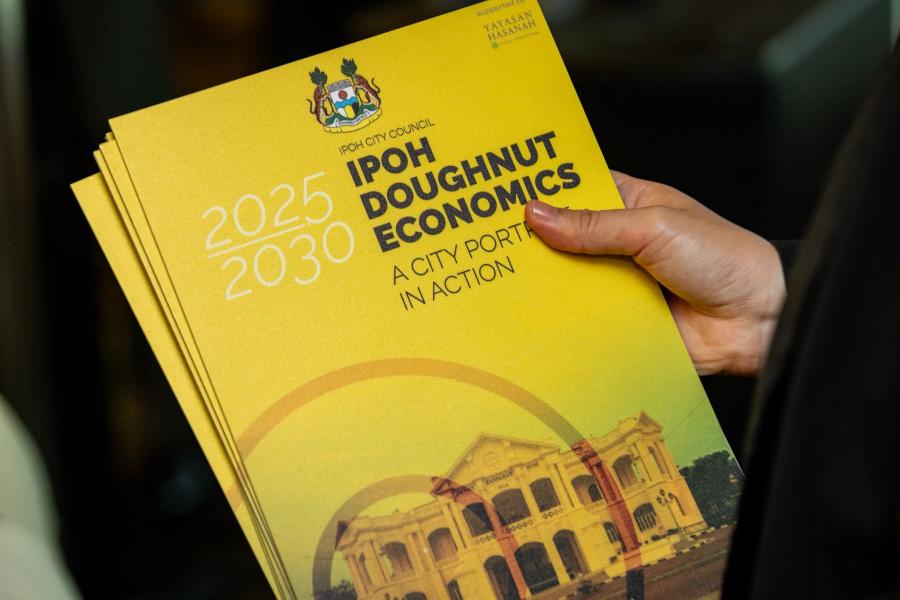
In 2024, the partnerships advanced the development of the Ipoh Doughnut Economics: City Portrait in Action 2025–2030, which translates the framework into actionable policies. Prepared through a series of workshops, focus group discussions, and town halls, the plan reflects contributions from Sunway University and SCPH as knowledge partners, IDR as the state-level think tank, and MBI as the lead implementing agency. These engagements created opportunities for academics, policymakers, and residents to co-design a comprehensive, inclusive, and data-driven clean energy strategy.
Aligned with Ipoh’s aspiration to become a reference model for sustainable cities in Asia, the action plan will guide a new phase of development that empowers the local economy, protects the environment, and improves the quality of life for all residents. The action plan is targeted for launch by December 2024, following final consultations and refinements.
National and Regional – Developing ASEAN STI Ecosystem Foresight 2035 through 10-10 MySTIE
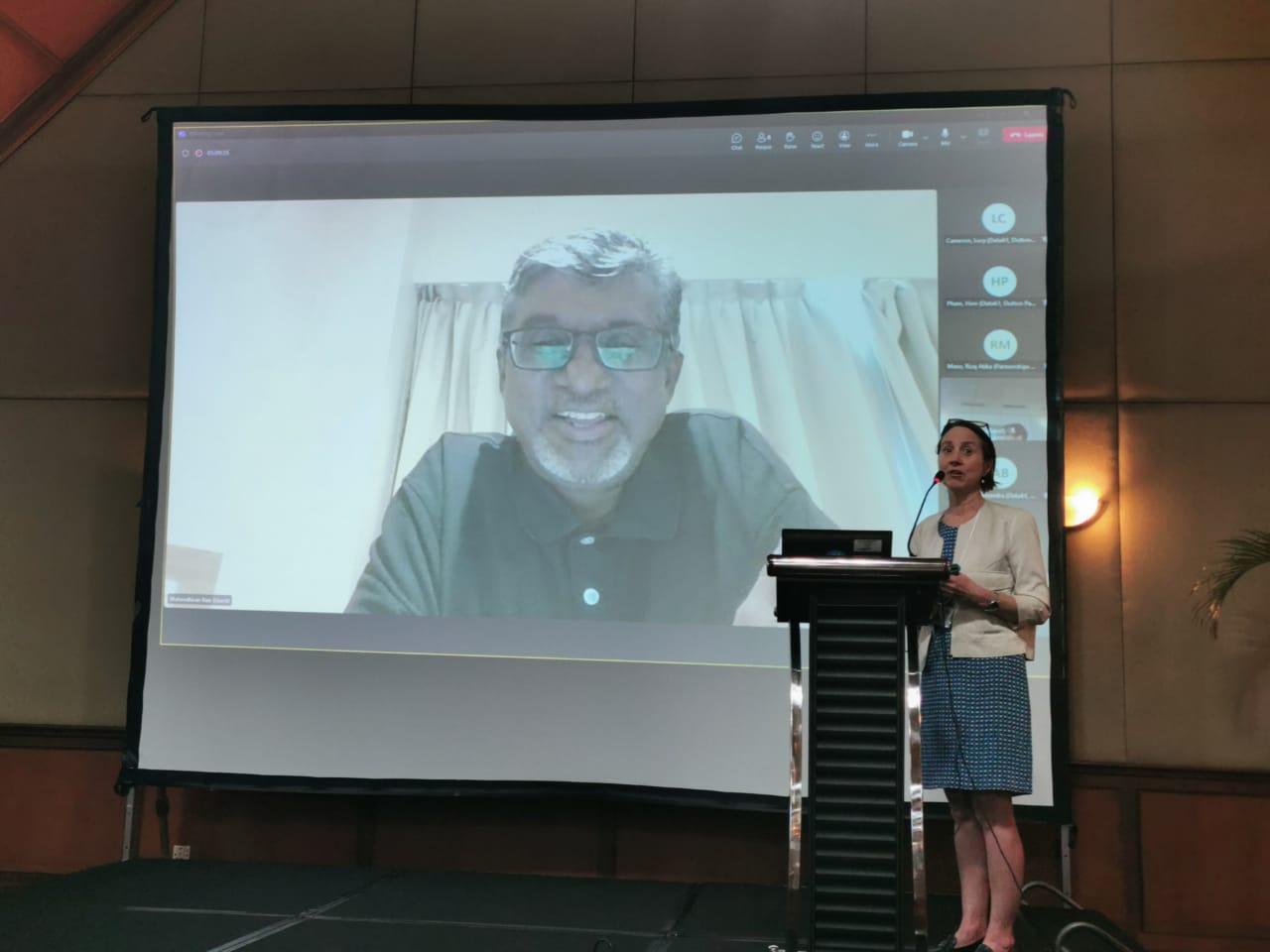
Sunway University contributes at the system level in informing and supporting governments on clean energy and energy-efficient technology policy development through its leadership in both national and regional science, technology and innovation (STI) initiatives. Sunway University’s Pro-Vice Chancellor (Research and Sustainability), Professor Dr. Mahendhiran Sanggaran Nair is appointed as the Chair of the 10-10 MySTIE Committee and also serves as the Chair of the ASEAN STI Ecosystem Foresight 2035. These appointments reflect strong recognition of our institutional expertise and commitment to advancing sustainability, particularly in driving regional and national dialogues on energy transition and efficiency.

The 10-10 MySTIE Framework provides a structured model that connects ten socio-economic drivers of change with ten science and technology drivers, including Access to Energy as one of the critical pillars. This framework explicitly addresses the role of STI in accelerating clean energy solutions and energy efficiency improvements, embedding them within broader national strategies on sustainable development, economic growth, and innovation. Examples of this include advancing renewable energy technologies such as solar and bioenergy, encouraging smart grid systems for more efficient energy distribution, and promoting green building practices that reduce energy consumption. By positioning energy access and efficiency at the heart of STI planning, the framework creates policy pathways that directly inform governmental decision-making.
Building on this foundation, the 10-10 MySTIE Framework was used as a key input to the ASEAN STI Ecosystem Foresight 2035, which applied foresight methodologies to identify regional opportunities and risks. The study synthesised national experiences and produced future scenarios that placed clean energy transition, renewable technologies, and energy efficiency as critical areas requiring ASEAN-wide collaboration. Concrete recommendations emerging from this process include scaling up research in energy storage systems, supporting regional standards for energy-efficient appliances, and investing in low-carbon mobility solutions to meet future demand while reducing environmental impacts. By translating national-level evidence into regional foresight, the study provided a shared basis for governments to align policy actions in these energy domains.
The foresight outputs then directly informed the formulation of ASEAN Plan of Action on Science, Technology and Innovation (APASTI) 2026–2035, ASEAN’s long-term strategic plan for regional STI cooperation. Within APASTI, clean energy and energy efficiency are highlighted as priority directions that support sustainable growth and regional energy security. Through this stepwise pathway—where a nationally developed framework such as MySTIE feeds into regional foresight, and foresight findings shape ASEAN’s strategic plan—our university ensures that governments at both national and regional levels are equipped with evidence-based insights, policy options, and forward-looking strategies to accelerate the adoption of clean energy and energy-efficient technologies, such as renewable generation, efficient industrial processes, and sustainable urban design.
Global – Appointment as an Expert in Technical Meeting on Radiation Protection and Safety in High-Level Background Radiation Areas
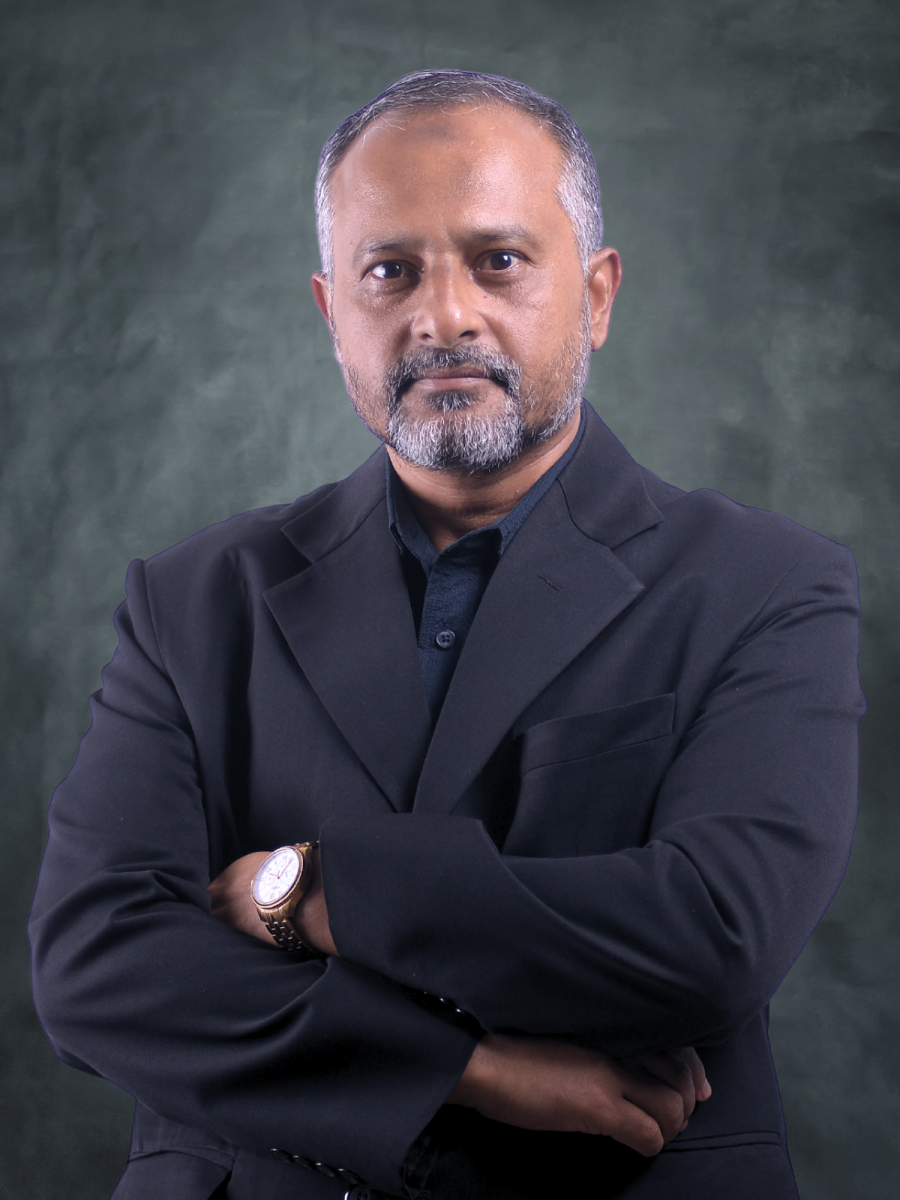
A notable Sunway University’s contribution to supporting governments in clean energy and energy-efficient technology policy development is the appointment of Professor Dr. Mayeen Uddin Khandaker as an Expert in the Technical Meeting on Radiation Protection and Safety in High-Level Background Radiation Areas, organized by the International Atomic Energy Agency (IAEA). This high-level meeting took place from 30 September to 3 October 2024 at the IAEA Headquarters in Vienna, Austria.
The meeting brought together senior representatives from national authorities, regulatory bodies, technical support organizations, and leading experts in radiation protection and safety. Its objectives were to exchange knowledge and experiences in managing high background radiation areas (HBRAs) worldwide, to identify the main challenges, best practices, and needs of Member States, and to provide technical input to the development of the new General Safety Guide on Radiation Protection and Safety in Existing Exposure Situations (DS544).
Outcomes from this technical meeting were noted in the Radiation Safety Standards Committee (RASSC) documents and were scheduled to be reported to the subsequent meeting of the IAEA RASSC, ensuring that the discussions contributed directly to international safety standards.
Through this international engagement, our institution contributed to advancing scientific understanding and shaping global policy frameworks. By providing technical expertise at the IAEA platform, we support governments worldwide in strengthening their approaches to radiation safety, which underpins the safe and efficient use of nuclear power as part of clean energy transitions. This involvement demonstrates our commitment to evidence-based policymaking that promotes nuclear energy as a safe, sustainable, and energy-efficient technology aligned with global clean energy goals.


