


Flavors of Freedom and Connection: A Malaysian Student’s Journey of Resilience and Discovery in Dijon

Hear from Ng Hao Ran, a Culinary Management student, as he reflects on his transformative journey of gastronomic discovery, academic freedom, and resilience at Burgundy School of Business (BSB) in Dijon, France!
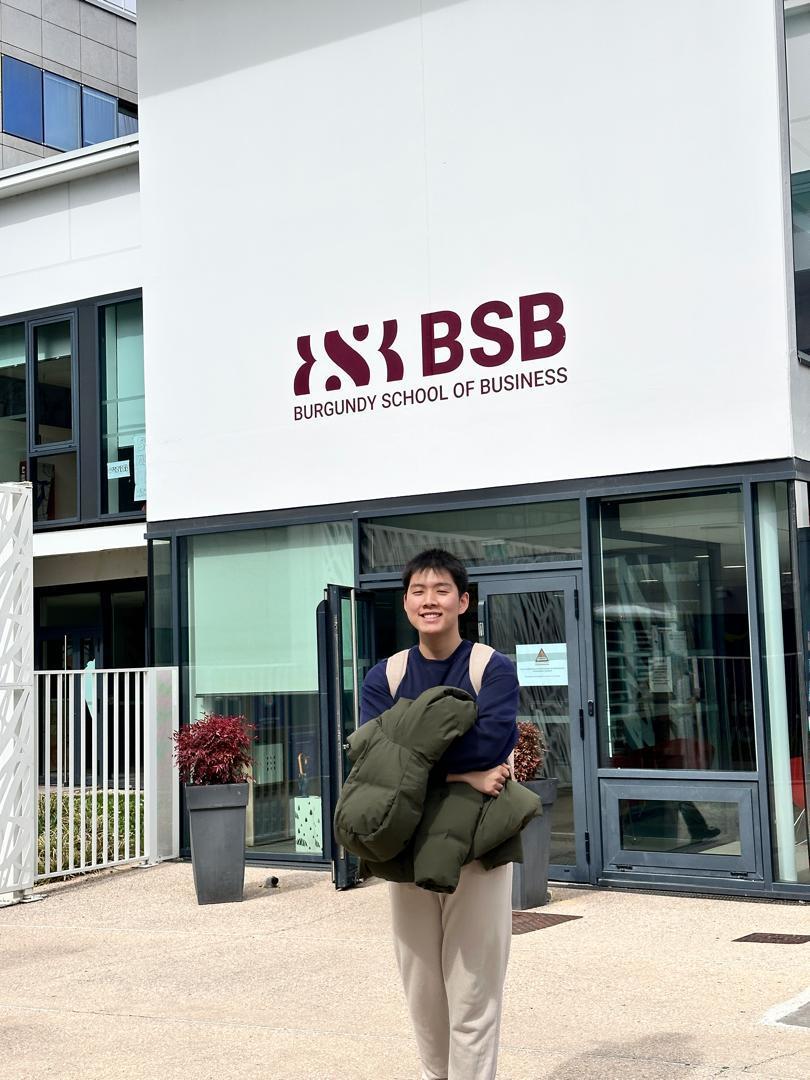
I went on an exchange to Dijon, France, where I studied at BSB (Burgundy School of Business). The learning experience at BSB was very different compared to my undergraduate studies at a Malaysian university.
First of all, BSB does not put many restrictions on the formatting of assignments, diction, referencing styles, or the range of themes to be covered by the assignment, which were considered untouchable by my Malaysian institution. This contrast produced a considerable gain: a greater latitude was given to me to render theoretical matter into personalised commentation, and to express my understanding more genuinely.
Navigating group projects in a multicultural environment also presented a learning curve. Differences in work habits, varying approaches to task division, and differing reliance on digital tools are some issues I faced.
Nevertheless, dealing with these situations firsthand taught me valuable lessons in team accountability and navigating diverse academic expectations.
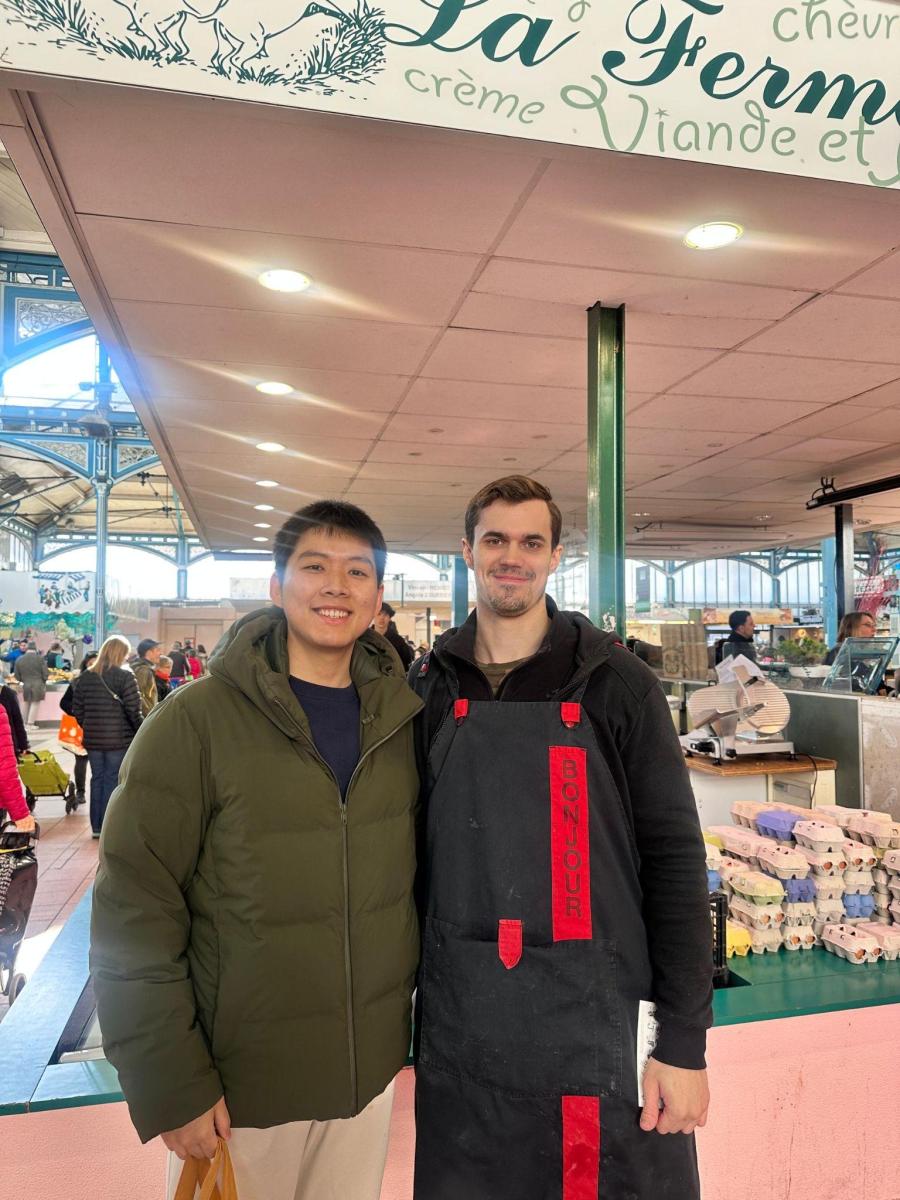
There are a number of cultural experiences worth special consideration, particularly the ones related to food practices, social interaction, and dominant lifestyles.
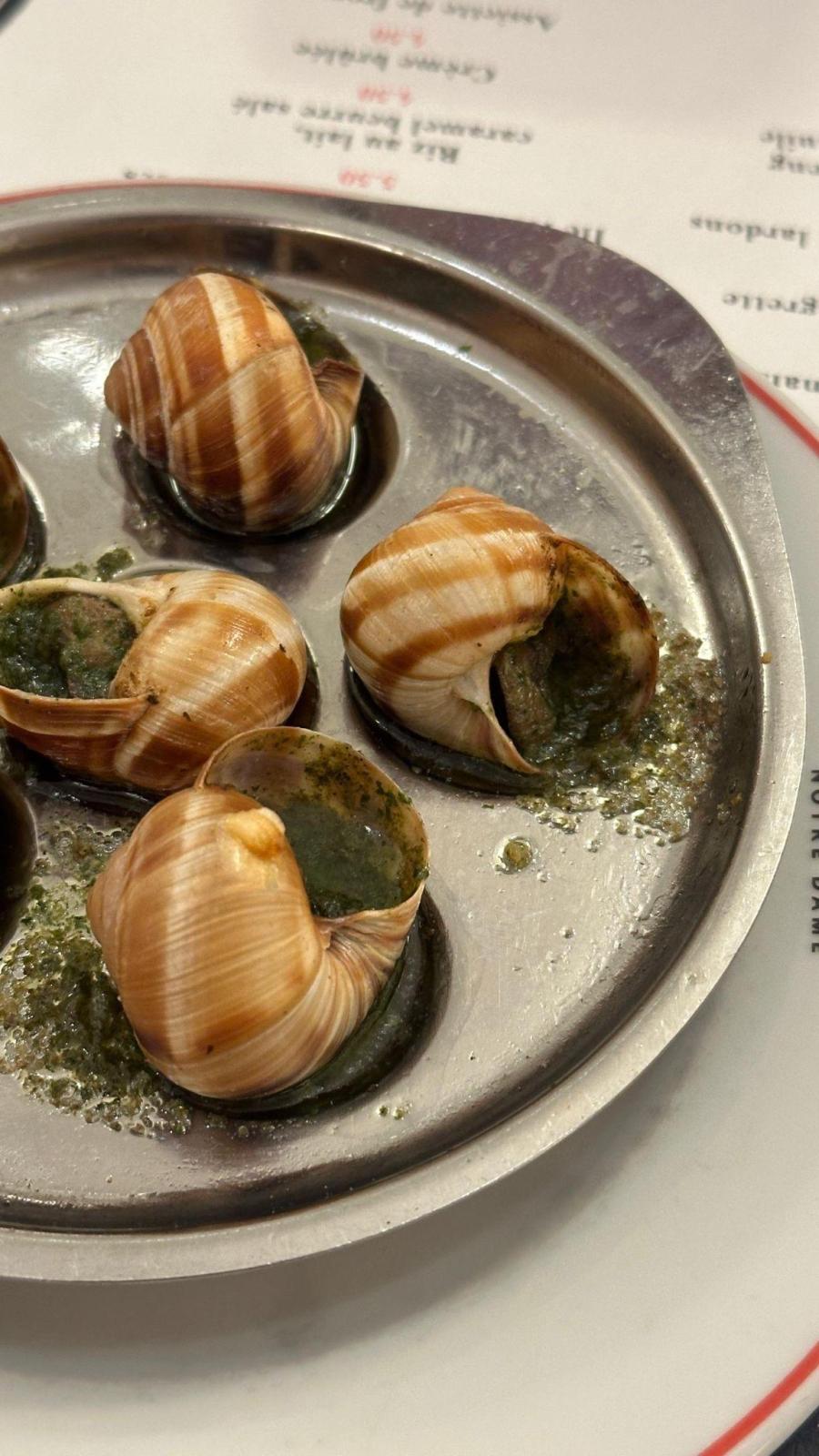
Culinarily speaking, considering my professional experience as a chef, the gastronomic environment of Dijon was especially interesting. I especially liked several bakeries in the city and frequently visited my favourite ones, Tarterie Fine and Beurre Noisette. I also sampled escargots during my stay, went to Foodies, a world-champion burger shop, and patronised Lucilla, a famous Italian restaurant. I also bought a wide range of ingredients at the large Carrefour supermarkets, which allowed me to cook on a daily basis and considerably reduced my expenses.
The main goal, which I had when I came to Dijon, was the development of intercultural friendships, and I eventually met this goal. I interacted regularly with students from Italy, Hungary, Mexico, and Taiwan. The gyms in the city created a vivid environment for intercultural exchange, and I could hold conversations with students from France, Mexico, India, and other national backgrounds. In this case, I was exposed to a culture of community support and respect.
Lastly, I witnessed a very leisurely and easy-going sense of time in Dijon; a sharp contrast to the faster pace of life I was accustomed to. Social practices like La Bise, a complex greeting ritual, demonstrated a regionalised social practice that, in comparison, would be deemed unusual in Malaysia.
I faced several challenges during my exchange, which taught me a lot. During the first week, which I described as my most desperate time, I thought of going back to my country early. My original arrangements of accommodation were jeopardised; the assigned host was unresponsive and thus I had to stay in a hotel for the night. Moreover, the windy and frigid weather contributed to my displacement. At the same time, the main social issue that I had to deal with was interacting with local French students. Most instances ended with minimal interaction, and I wondered whether there were academic or cultural stereotypes that were getting in the way of authentic rapport. I then used other channels of connection (including common interests in basketball and gym activities) and internalised the need to be critically reflective of my own assumptions.
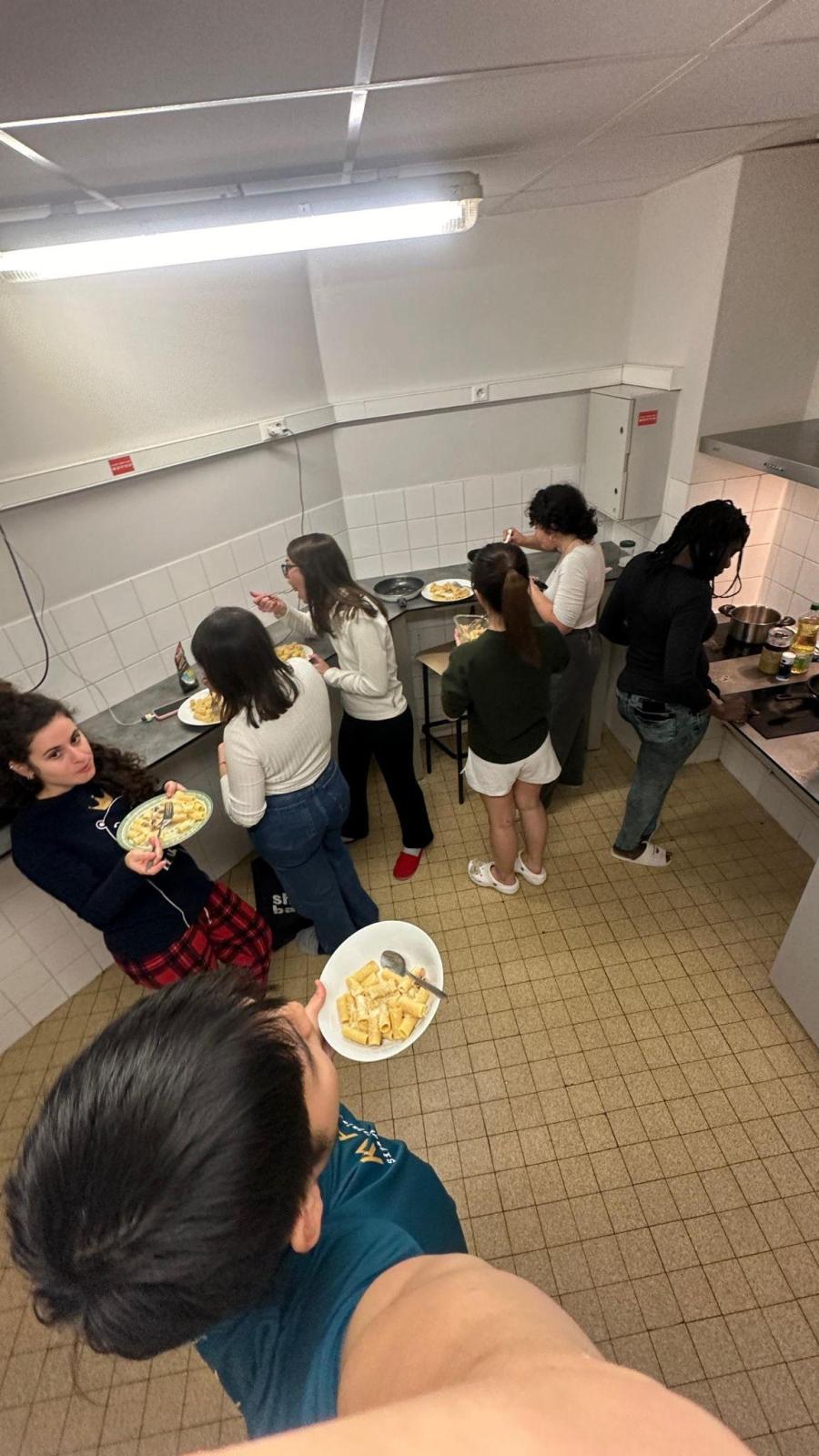
The weakened value of the Malaysian ringgit also tightened my European budget. To alleviate this challenge, I learned to be economical and cooked all my meals in the house kitchen.
Another issue was related to different expectations in academics. The lack of predetermined curricula, lenient evaluation systems and greater freedom of choice among students caused some early disorientation, but it also allowed me to explore an educational system that values intellectual freedom and encourages individualised inquiry as part of the academic discourse.
My exchange experience pushed me out of my comfort zone and contributed greatly to my personal and academic growth. The early challenges included the inability to find the right place to live and social isolation, which made me a stronger person. After some unsuccessful attempts to engage in part-time work, I developed a very reasoned, fact-based knowledge of what intercultural communication and workplace practices mean. The comparison between the Mexican and Swedish workplace ethics in a case study provided the possibility to employ the concept of power distance and high-context versus low-context communication. These principles helped me better understand the social interactions of the respective cultures.
My interactions with European students were also fruitful since I learned how to see the world in a new light. For example, a fellow Italian taught me about pumpkin pasta and risotto. These are two things I had not heard of before and something I plan to make. Another instance was the application of my culinary skills to promote social integration; my food, which received a positive reception among the personnel of the dormitory, proved useful in opening up many a pleasant conversation.
Based on this experience, my advice for future students is to prepare some greetings and daily phrases to communicate abroad more easily. Be ready to change your habits to fit the local culture. For example, in a culture that values reflection time, send agendas before meetings and avoid pressuring people for immediate feedback. In cultures that value equality and autonomy, trust your team members with their tasks instead of micromanaging them. Also, learn the appropriate way to give praise; sometimes private recognition or rewarding the whole team is better than public praise for one person. Understand and respect the local work-life balance. A good way to build team bonds is to schedule activities like lunches or coffee breaks during work hours instead of using personal time after work. Actively try to understand the local culture by observing how people behave and by asking for feedback privately. Applying what you learn will help you build deeper relationships.
One memorable highlight was when I invited my new friends, the Italians and the Hungarians, to make dumplings with us during the Chinese New Year. I was born into a family where we have handmade dumpling sessions on major festive holidays, so I was excited to share this activity with them. That day, our friendship grew closer, and I was happy to witness how eager they were to talk and share, even though our English was not perfect.


