


Beyond the Classroom: Bridging Pedagogy, Research, and Real-World Impact

As we navigate the rapidly evolving landscape of higher education, the intersection of computing and healthcare has never been more critical. This newsletter reflects Dr Tan’s commitment to integrating research-informed teaching with real-world impact, fostering student development beyond traditional classroom boundaries, and contributing to the advancement of digital health informatics through interdisciplinary collaboration. Her journey at Sunway University’s School of Computing and Artificial Intelligence has been shaped by a fundamental belief: that computing education must extend beyond technical proficiency to cultivate critical thinking, collaborative problem-solving, and the ability to apply knowledge in meaningful, socially relevant contexts.
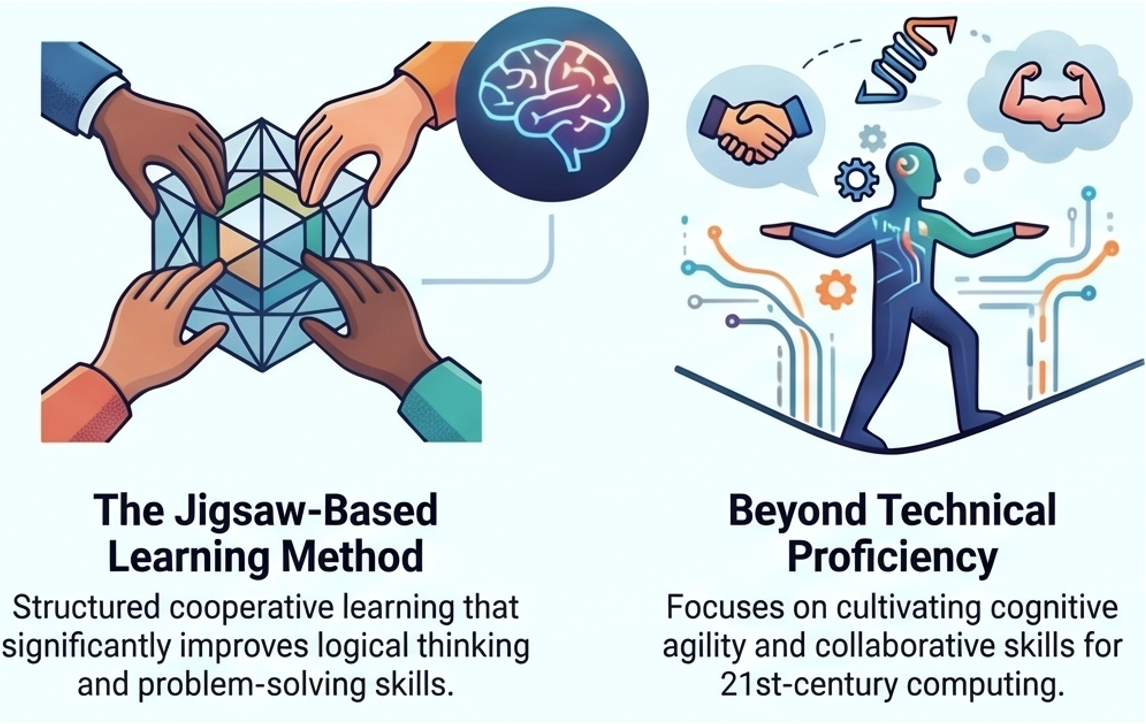
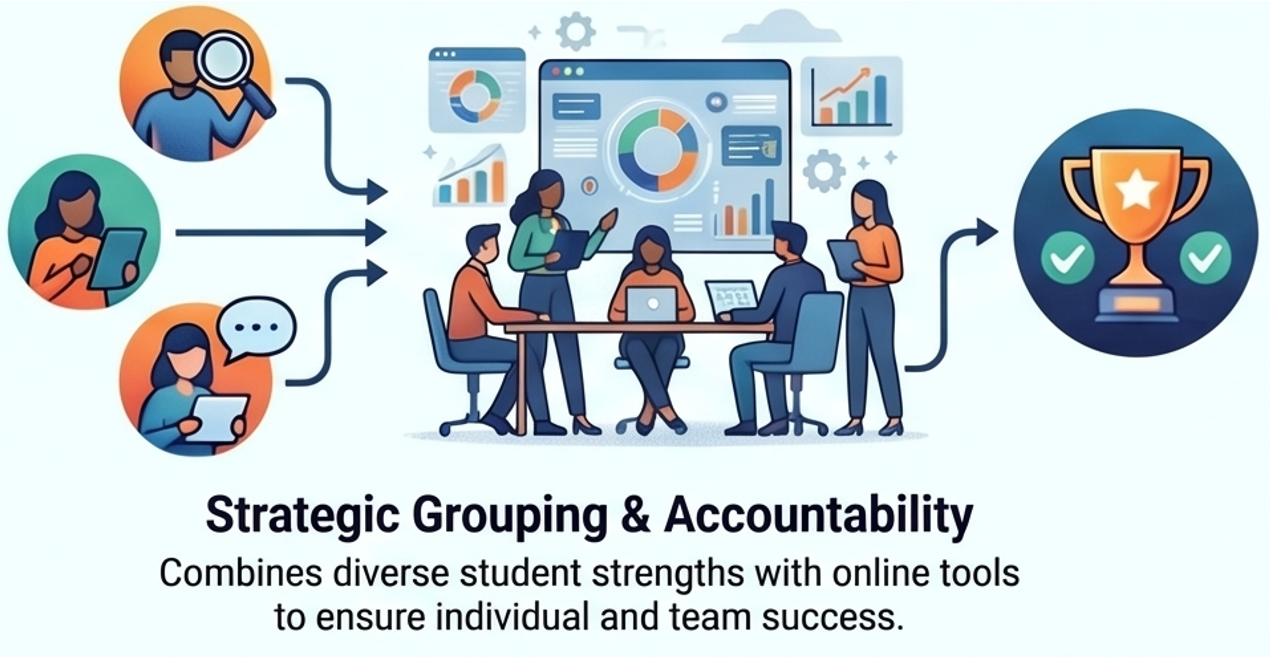
This conviction has driven her development of the Jigsaw-based cooperative learning method, which she implemented and rigorously evaluated in programming education. Published in Preparing 21st Century Teachers for Teach Less, Learn More (TLLM) Pedagogies (IGI Global, 2020), this work demonstrated how structured collaborative learning can transform student outcomes in technically demanding subjects. The intervention, conducted across two cohorts of students, yielded a remarkable improvement in logical thinking and problem-solving skills. By strategically grouping students with diverse strengths, integrating various online collaborative tools and emphasising individual accountability within team structures, the approach addressed a persistent challenge in computing education: developing both technical competence and cognitive agility.
What makes this pedagogical innovation particularly meaningful is how it connects to Dr Tan’s broader research agenda at Sunway. Her research portfolio, spanning health informatics, artificial intelligence, and information systems, directly informs curriculum design and classroom practice. Recent work on AI-driven support systems in healthcare, published at the 2025 International Conference on Information Technology in Asia, demonstrates how emerging technologies can address critical workforce challenges. These findings naturally extend into classroom discussions about AI ethics, system design, and human-centred computing, transforming abstract algorithmic concepts into tangible healthcare applications that students can grasp and engage with meaningfully.
Similarly, her investigations into EEG-based emotion recognition and machine learning applications provide authentic case studies where students engage with real research questions about data engineering, predictive analytics, and the practical constraints of deploying AI in clinical settings. This research-teaching nexus ensures that classroom content remains current, rigorous, and grounded in actual scholarly inquiry rather than purely textbook knowledge, preparing students for the complex realities they will encounter in professional practice.
Dr Tan’s teaching extends well beyond the lecture hall, supervising students at every level, that is from Bachelor’s students in Data Analytics and Computer Science, through Master’s capstone projects in Data Science, to PhD candidates in Computing. This experience has taught her that education is not one-size-fits-all. A first-year undergraduate needs structure, encouragement, and hands-on guidance to build confidence alongside technical skills. A Master’s student, standing at the threshold of professional practice, needs space to struggle with messy, real-world problems where textbook answers rarely suffice. A doctoral candidate requires something different entirely – not instruction, but intellectual partnership that respects their emerging expertise whilst challenging them to push boundaries.
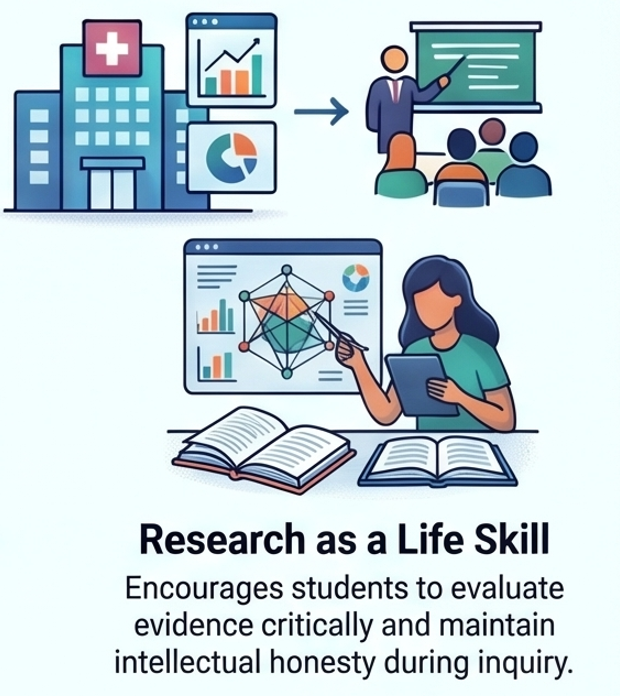
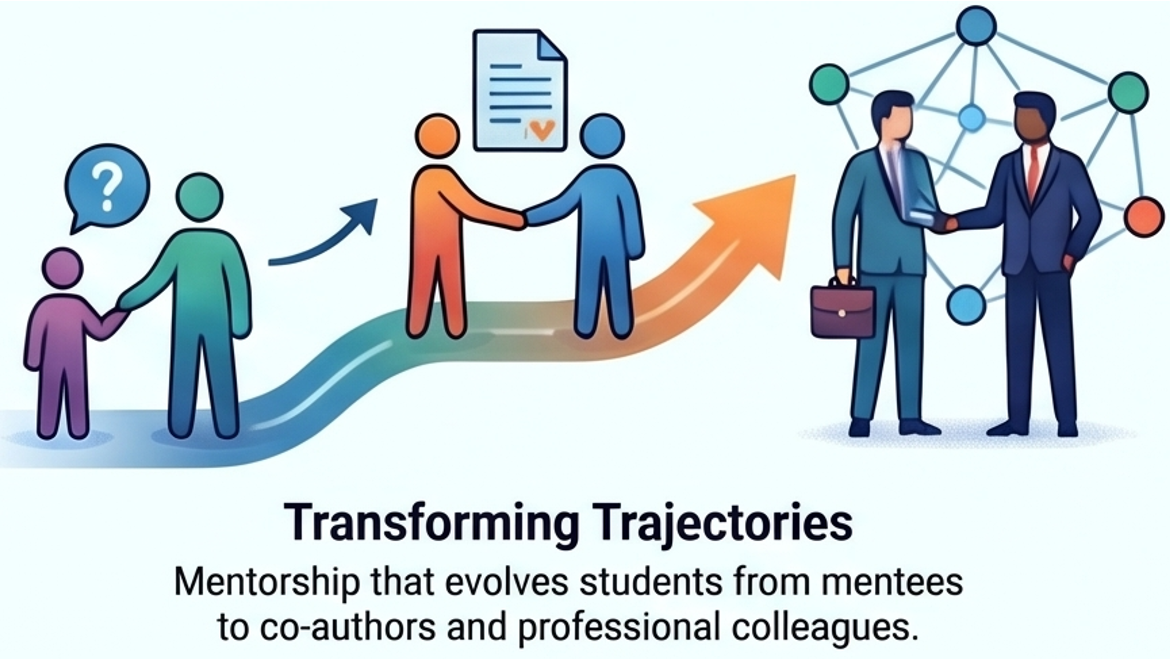
What connects these seemingly different relationships is a shared focus on research as a practical life skill, not an academic abstraction. Whether analysing data for a final-year project or conducting original PhD research, students learn to ask better questions, evaluate evidence critically, communicate clearly, and maintain intellectual honesty when findings don’t match expectations. These capabilities matter as much in industry boardrooms as in academic journals, perhaps more so. Recent collaborations have seen students co-author peer-reviewed publications, with one Master’s graduate joining Sunway’s teaching staff, transforming from mentee to colleague. These moments remind Dr Tan why this work matters: education, done well, doesn’t just transfer knowledge, it transforms trajectories.
References:
Tan, E. X. (2020). Improving Logical Thinking Skills Through Jigsaw-Based Cooperative Learning Approach. In P. Kumar, M. Keppell, & C. Lim (Eds.), Preparing 21st Century Teachers for Teach Less, Learn More (TLLM) Pedagogies (pp. 162-181). IGI Global Scientific Publishing. https://doi.org/10.4018/978-1-7998-1435-1.ch010
Ts. Dr Tan Ee Xion
School of Computing and Artificial Intelligence
Faculty of Engineering & Technology
Email: @email


