


Gamifying the Classroom: From Pixel Art to LEGO Towers

Over the past two academic years, new gamification strategies were explored to enhance student motivation and engagement within our undergraduate engineering courses. By integrating gamification into technical courses, traditional learning can be transformed into something more interactive and engaging for the students. While the application of gamification for teaching and learning is not entirely new, the real challenge lies in designing appropriate approaches that are genuinely engaging while simultaneously fulfilling the learning outcomes of the course. This round, two specific approaches were designed and adopted, focusing on Digital Image and Video Processing and Integrated Design Project (IDP).
Unlocking Creativity in Digital Image and Video Processing
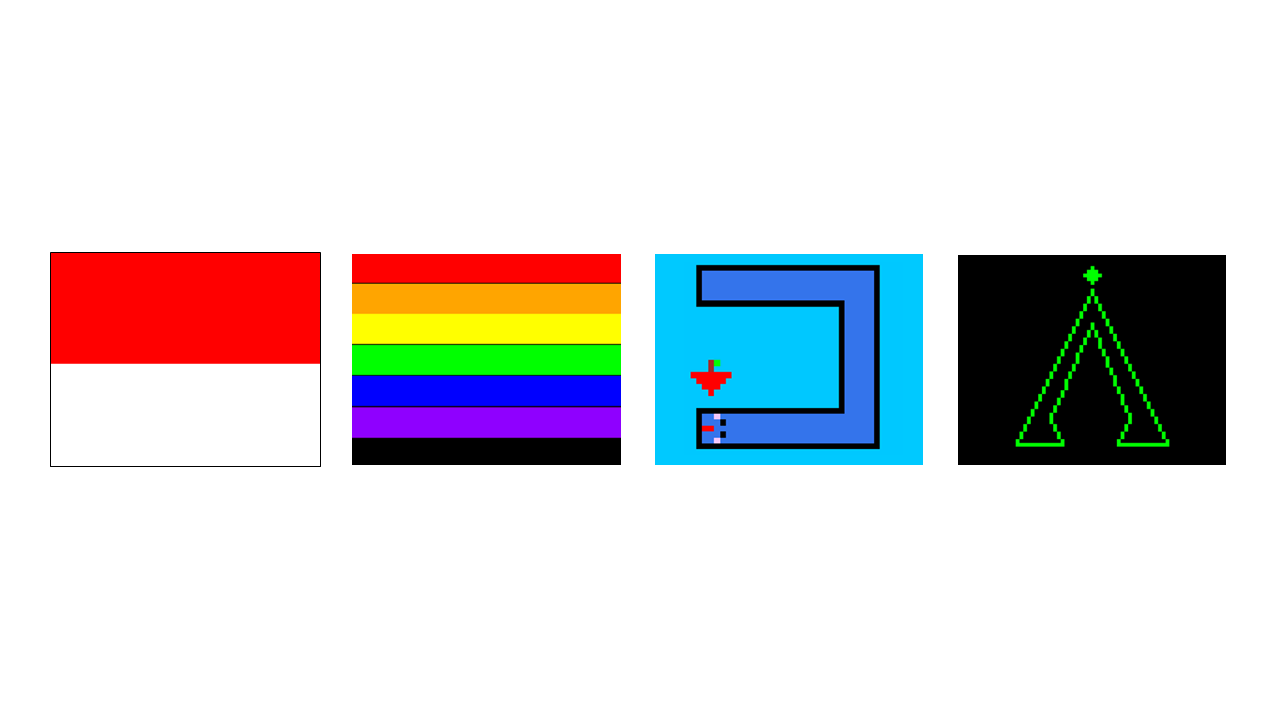
In the Digital Image and Video Processing course, an approach revolving around puzzles and trump cards was introduced to maintain student engagement during intensive three-hour practical sessions. During the first session, students were asked to apply the pixel manipulation techniques they had just learned to create their own original pixel art (Figure 1). These pixel arts were then featured on physical trump cards, which served as tangible outcomes of their learning process. Students could exchange these cards for small rewards, such as candies, or keep them as collectable items. However, these cards were not simply handed out.
To add a layer of challenge and purpose, the trump cards were secured in a treasure box that required a passcode to unlock. During subsequent practical sessions, students were required to solve technical puzzles based on the image processing techniques covered that week to earn the passcode. For example, a puzzle might require applying specific contrast adjustment techniques to reveal hidden digits within a set of processed images. Students could attempt to crack the passcode individually or work collaboratively with their peers, turning a standard practical session into a collaborative problem-solving session. A survey conducted at the end of the course indicated that most students found this approach effective in sustaining their motivation throughout the long sessions.
Building Prototypes with LEGO Blocks
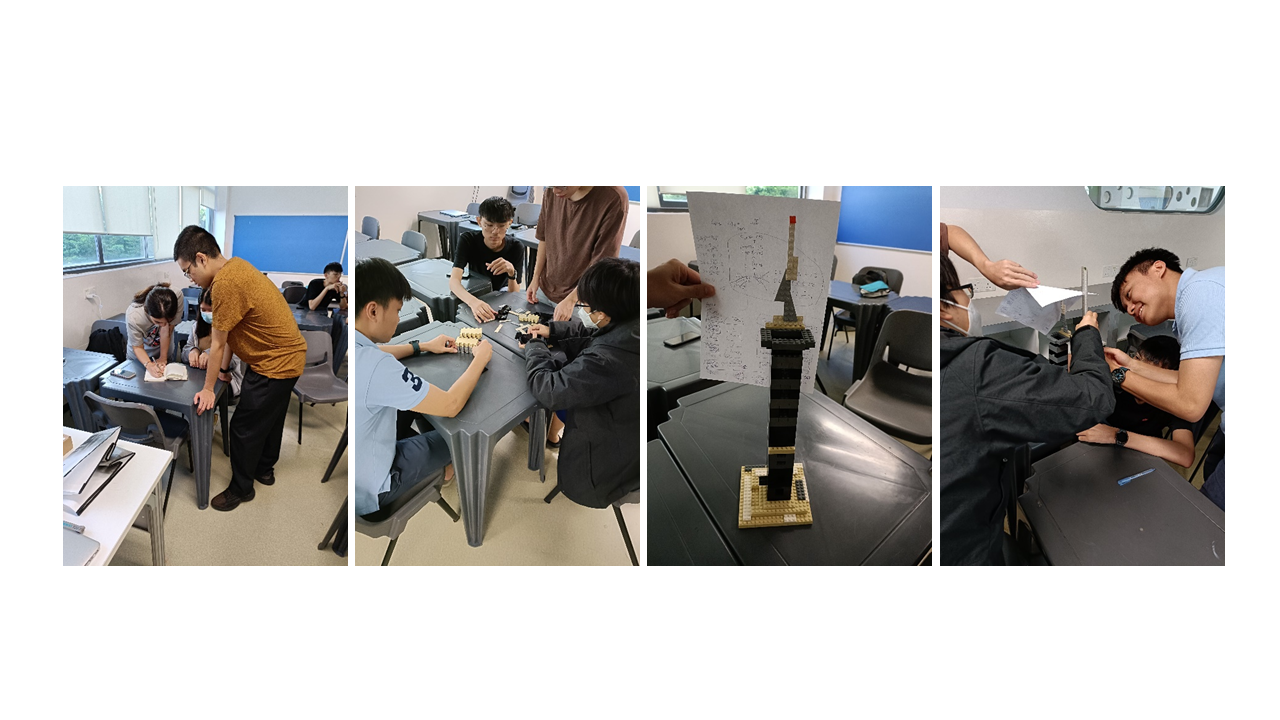
The Integrated Design Project is a two-semester, project-based course that requires students to work in groups to identify problems, set objectives, design solutions, build prototypes, and perform appropriate measurements to verify and validate if all requirements are met. To provide a practical application and solidify the relevant concepts or theories covered in class before they move on to work on real projects, LEGO blocks were introduced in a preliminary activity. Students were divided into groups and tasked with designing and constructing a tower capable of holding ten minifigures at the top without dropping them while the entire structure was moved from one location to another.
Although the core problem and objectives were provided, the students still required to apply appropriate concepts or theories to build their own towers within limited time and constraints (Figure 2). The group that successfully built the tallest stable tower was rewarded with small rewards. Beyond the class, students shared that this hands-on activity actually inspired them when they were preparing activities to welcome new engineering students, which indirectly showed that they truly enjoyed and valued the experience.
Enhancing Engineering Pedagogy
These teaching and learning initiatives reflect a commitment to innovation by replacing passive content delivery with active, student-centred practices. Besides bridging the gap between abstract theory and physical application, these approaches foster the problem-solving and collaborative skills that are essential for the modern era.
The success of these gamified approaches provides a solid foundation for sharing these practices within our academic community. There are plans to refine these innovations in the future as part of a continuous quality improvement process, ensuring that our curriculum remains responsive and continues to enhance the overall learning experience for our undergraduate students.
Associate Professor Chia Wai Chong
School of Engineering
Faculty of Engineering & Technology
Email: @email


