


Exploring Sustainable Gastronomy: From Bloom to Table

Sustainable Gastronomy in Malaysia
Sustainable gastronomy is more than the preparation and enjoyment of food. It represents a holistic approach that connects culinary heritage, environmental stewardship, and responsible food production. In Malaysia, this concept is particularly significant due to the country's rich biodiversity, diverse agricultural resources, and vibrant food culture.
A growing emphasis on farm-to-table practices demonstrates how gastronomy can contribute to sustainable development. By cultivating vegetables without synthetic pesticides or insecticides and utilising seasonal harvests, producers can reduce their environmental impact while enhancing the quality and freshness of ingredients. Native plants such as pandan (Pandanus amaryllifolius) and ginger flower (Etlingera elatior), together with renowned local varieties such as Bentong ginger (Zingiber officinale Roscoe), continue to shape Malaysia's culinary identity. These ingredients not only enrich dishes with distinctive flavours and aromas but also reflect the nation's cultural heritage and ecological wealth.
Through sustainable gastronomy, food becomes more than nourishment. It becomes a medium for preserving biodiversity, promoting environmental responsibility, and celebrating local food traditions.




Locally grown (clockwise) watercress, ginger flower, Bentong ginger, and pandan showcase Malaysia's rich agricultural biodiversity. These native ingredients support sustainable gastronomy by connecting ecological farming practices with farm-to-table culinary experiences.
Learning Through Food: Building Awareness of Sustainable Food Systems
Sustainable gastronomy provides an opportunity to deepen understanding of the interconnected relationship between food production, environmental conservation, and human well-being. Farm-to-table initiatives serve as practical examples of how agricultural practices influence ecosystem health, food quality, and community resilience.
Organic cultivation methods support soil fertility, protect water resources, and encourage biodiversity by reducing dependence on chemical inputs. The use of local ingredients further highlights the importance of preserving traditional agricultural knowledge and supporting regional food systems. Ingredients such as Bentong ginger, valued for its intense aroma and flavour, demonstrate how geographical conditions and cultivation practices contribute to unique food characteristics.
Equally important is the appreciation of seasonal produce. By embracing ingredients at their natural peak, sustainable gastronomy promotes responsible consumption while encouraging greater awareness of food origins. Such practices demonstrate that environmental sustainability begins with informed choices throughout the food value chain.
Culinary Creativity Through Seasonal Farm-to-Table Omakase Dining
One of the defining characteristics of sustainable gastronomy is the ability to transform seasonal harvests into meaningful culinary experiences. Farm-to-table omakase dining embraces ingredients that are freshly harvested and available at a particular time, allowing menus to evolve according to natural growing cycles.
This philosophy encourages culinary creativity by placing local produce at the centre of menu development. Ingredients harvested from the farm inspire dishes that reflect freshness, authenticity, and a strong sense of place.

Organic cucumber, cherry tomatoes and sweet potatoes are transformed into a vibrant appetiser, celebrating the freshness of locally harvested produce.
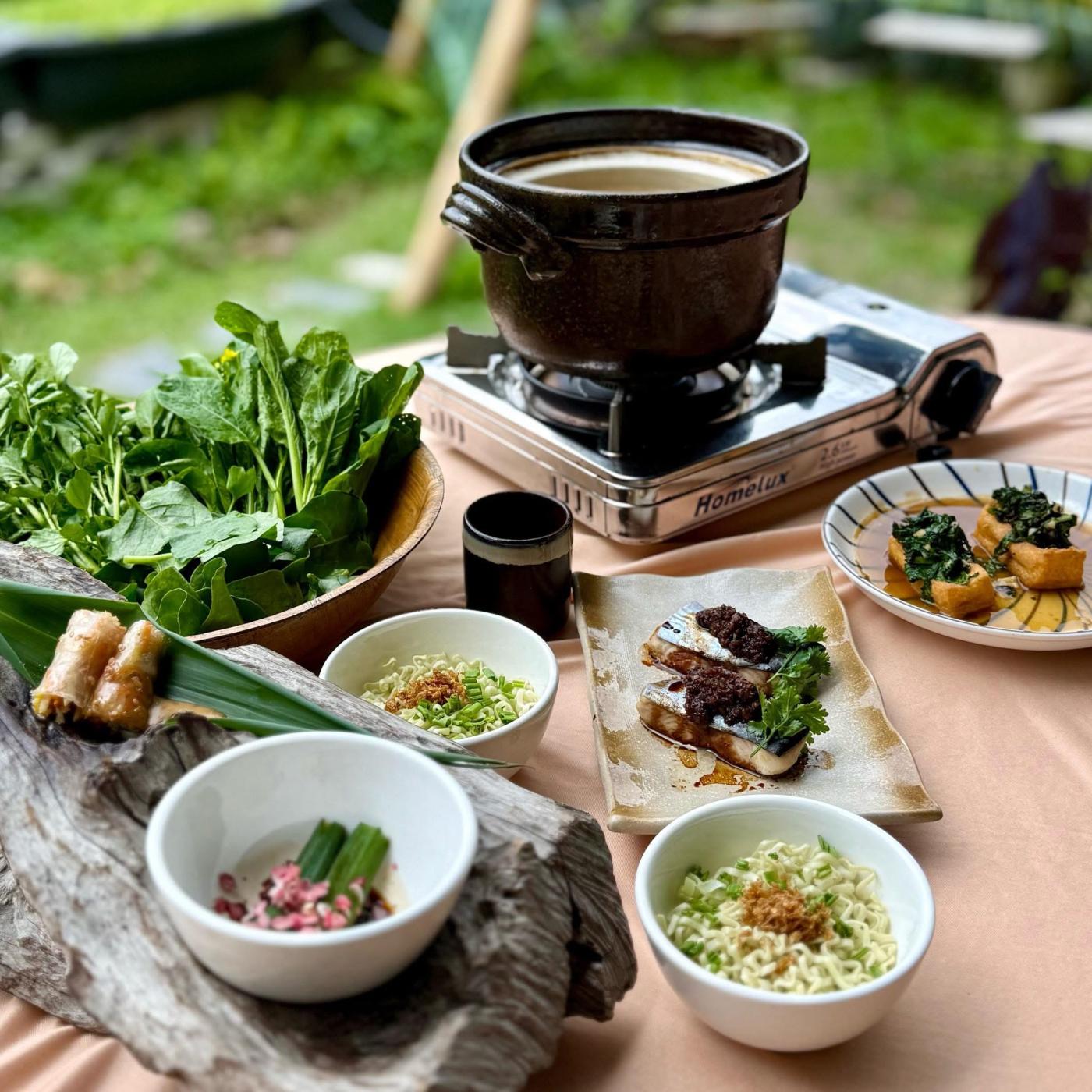
Fresh watercress and choy sum are served in a nourishing hot pot, featuring a garden-grown papaya broth. Steamed fish is paired with a fragrant Bentong ginger dipping sauce and the bold pungency of Bentong ginger can elevate ginger wine noodles, highlighting the distinctive flavours of local ingredients.
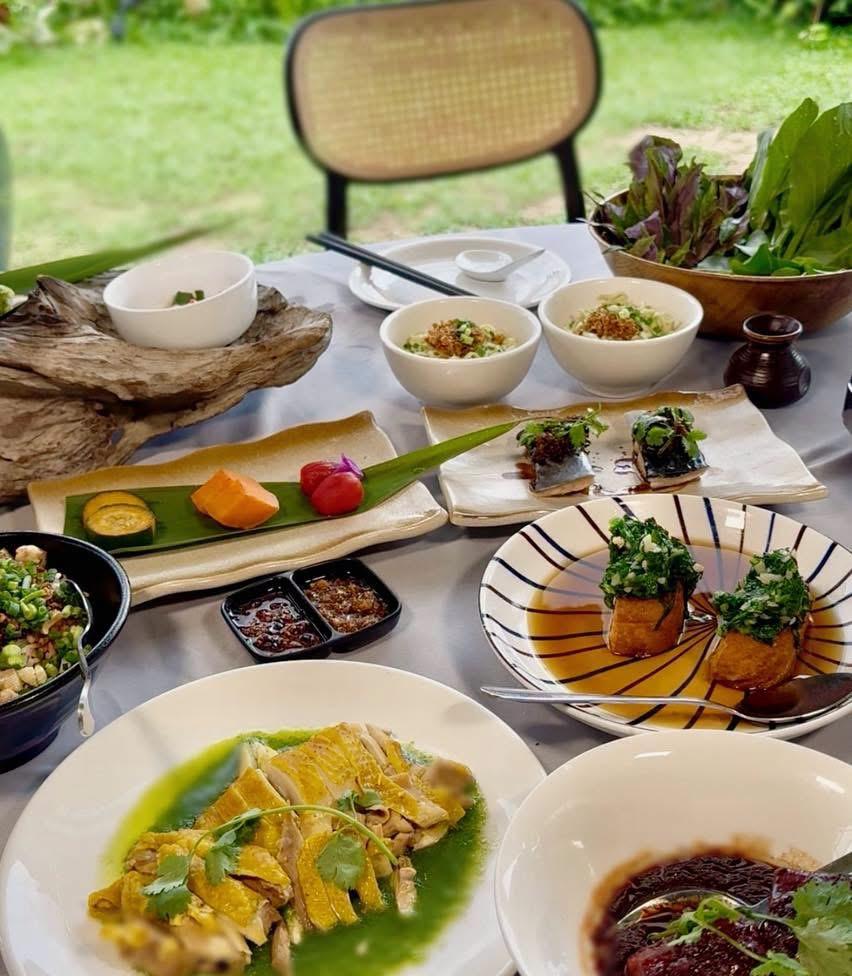
Steamed free-range chicken with home-grown spring onion sauce and handcrafted tofu showcase how locally sourced ingredients can be transformed into sustainable, wholesome farm-to-table cuisine.

Refreshing pandan jelly topped with passion fruit coulis and peppermint leaves showcases native flavours in a dessert.
Rather than relying on imported ingredients, sustainable dining demonstrates how local harvests can be transformed into refined gastronomic creations. This approach not only reduces the environmental impact associated with transportation but also showcases the versatility and richness of Malaysian agricultural resources.
A Philosophy Rooted in Ecological Sustainability
At the heart of sustainable gastronomy lies a commitment to ecological balance. Food production and culinary practices are viewed as interconnected processes that should work in harmony with nature rather than against it.
The cultivation of vegetables without pesticides and insecticides contributes to healthier ecosystems by preserving soil biodiversity and protecting surrounding water sources. Seasonal harvesting further supports sustainability by reducing food waste and encouraging the use of ingredients at their optimum quality and nutritional value.
This philosophy also embraces authenticity by allowing natural ingredients to express their inherent characteristics without excessive processing or artificial additives. Native plants, herbs, and locally adapted crops play a central role in preserving both biodiversity and cultural heritage. Their continued use helps safeguard traditional food knowledge while encouraging sustainable agricultural practices for future generations.
Beyond food production, sustainable gastronomy promotes a broader understanding of environmental responsibility. Every stage, from cultivation and harvesting to preparation and consumption, reflects a commitment to minimising ecological impact while maximising social and cultural value.
Gastronomy as Environmental Stewardship
Farm-to-table practices contribute significantly to environmental sustainability by reducing reliance on chemical inputs, minimising transportation emissions, and promoting biodiversity. Seasonal menus encourage respect for natural cycles, while the use of native plants preserves cultural heritage. By integrating organic farming with gastronomy, these practices illustrate how food systems can support ecological resilience. Dining experiences become opportunities to reflect on sustainability, showing how everyday choices about food can contribute to environmental stewardship. In this way, gastronomy becomes not only a cultural expression but also a pathway toward ecological responsibility.
Chef Kerlley Bong Siew Sin
Department of Culinary and Food Studies
School of Hospitality and Tourism Management
@email


